
 By
Sam
By
Sam
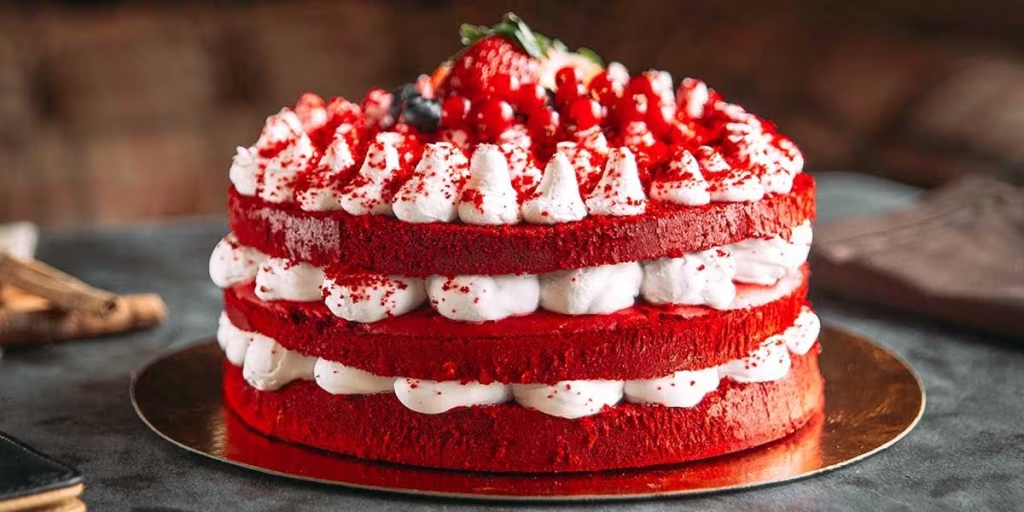
A classic red velvet cake with cream cheese frosting has a charm that feels timeless. It’s not just the striking red color that makes it memorable but also the combination of flavors and textures that create a unique experience. The cake itself is tender, moist, and slightly tangy, while the cream cheese frosting adds a smooth, luscious finish. Whenever I bake it, I feel like I’m bringing a little piece of celebration to the table, no matter the occasion.
The Unique Character of Red Velvet Cake
Red velvet cake often sparks curiosity because it doesn’t fit neatly into one category. It’s not a straightforward chocolate cake, nor is it a plain vanilla sponge. Instead, it strikes a balance between the two, offering subtle cocoa notes with a tangy undertone from buttermilk and vinegar. The result is a cake with depth, yet one that never feels heavy.
What makes it stand out is also its texture. The crumb is incredibly fine, with a softness that almost melts on the tongue. Combined with the creamy frosting, it delivers a harmony that feels indulgent without being overwhelming. That contrast between rich and tangy, tender and creamy, is what keeps me coming back to it time and again.
The Importance of Ingredients
The success of a red velvet cake lies in the ingredients and the way they work together. Cocoa powder provides the faint chocolate flavor, while flour and eggs give structure. Buttermilk is essential, not only for the subtle tang but also for keeping the crumb moist. Vinegar, though used in small amounts, reacts with the baking soda to give the cake its lift.
Then there’s the food coloring. Traditionally, the reaction between cocoa, buttermilk, and vinegar produced a reddish hue on its own, but modern recipes use red coloring to achieve that vibrant appearance. The color doesn’t affect the flavor, but it does create the iconic look that people associate with red velvet.
Cream cheese frosting is the perfect match for this cake. Its slight tang complements the richness of the sponge, and its creamy texture spreads beautifully between layers. I’ve tried pairing red velvet with other frostings, but none highlight the cake’s character the way cream cheese does.
Preparing the Batter
When making red velvet cake, I start by creaming butter and sugar until pale and fluffy. This step creates the foundation for a light texture. Next, I add the eggs one at a time, making sure each is fully incorporated before moving on. The buttermilk is mixed with red coloring and vanilla extract, creating a striking liquid that will later transform the batter into its signature shade.
In a separate bowl, I sift together the flour, cocoa, baking soda, and a pinch of salt. Sifting ensures everything is well combined and prevents lumps. Then comes the part where the wet and dry ingredients come together. I add them alternately, starting and ending with the dry mixture. This prevents overmixing and helps the batter stay smooth. Finally, I stir in the vinegar, which reacts with the baking soda almost immediately, giving the batter a slight fizz before it goes into the oven.
The batter itself is silky and glossy, with a deep red color that already hints at the cake’s character. Pouring it into the pans feels satisfying, and I always smooth the tops before sliding them into the oven.
Baking and Cooling
The oven should already be preheated to ensure an even rise. Red velvet cakes do best at a moderate temperature, allowing the crumb to cook gently without drying out. While the cakes bake, the kitchen fills with a subtle cocoa aroma, not as bold as a chocolate cake but inviting in its own way.
Once baked, the cakes pull slightly away from the sides of the tins, and a skewer inserted into the center comes out clean. I let them cool in the pans for ten minutes before transferring them to wire racks. This prevents the layers from breaking and ensures they cool evenly. A red velvet cake needs to be fully cooled before frosting, as even slight warmth can cause the cream cheese frosting to melt and slide.
Making the Cream Cheese Frosting
The frosting for this cake is as important as the cake itself. I use a combination of cream cheese, butter, powdered sugar, and vanilla. The cream cheese should be soft but not too warm, and the butter must be at room temperature for easy blending. I beat the butter first until creamy, then add the cream cheese and mix until smooth. Finally, I sift in the powdered sugar gradually, beating until the frosting is fluffy and spreadable.
The result is a frosting that’s rich but not overly sweet, with that signature tang balancing the flavors of the cake. It spreads easily, making it ideal for layering and decorating.
Assembling the Cake
Assembling a red velvet cake feels almost ceremonial. I start by placing one layer on a cake board and spreading a generous amount of cream cheese frosting over the surface. The second layer goes on top, followed by more frosting, and then I cover the sides and top completely. Using a spatula, I smooth the frosting into soft swirls or clean lines, depending on the mood.
For a traditional finish, I often crumble a small piece of the cake and sprinkle the crumbs over the top as decoration. It adds texture and reinforces the striking red color against the white frosting. Sometimes I keep it simple with just smooth frosting, while other times I pipe patterns or add fresh berries for a more decorative look.
Serving and Pairing
Red velvet cake is versatile in how it can be served. A plain slice is delicious on its own, but it also pairs beautifully with fresh fruit, especially strawberries or raspberries. The tartness of the fruit contrasts nicely with the sweetness of the cake and frosting. For drinks, I find it goes well with coffee or tea, and even a glass of milk enhances the experience.
During celebrations, I’ve served it as the centerpiece cake, and it never fails to draw compliments. Its appearance alone makes it stand out, but the flavor ensures people remember it long after the event.
Tips for the Perfect Red Velvet Cake
Over time, I’ve picked up tips that help achieve consistent results. Measuring ingredients accurately is key, especially the cocoa and flour, which can easily affect the texture. Using room temperature ingredients ensures everything blends smoothly, preventing curdled batters.
When it comes to food coloring, gel or paste versions create a more vibrant red without thinning the batter. A little goes a long way, so I add gradually until the desired shade is reached. Finally, I avoid overbaking, as the cake can dry out quickly. Checking with a skewer a few minutes before the recommended time helps prevent this.
Variations on the Classic
While the classic red velvet cake with cream cheese frosting is hard to beat, I’ve experimented with a few variations. Cupcakes are always a hit, offering individual portions that are perfect for parties. They bake faster than a full cake and allow for creative piping with the frosting.
Another variation is adding a chocolate ganache layer along with the cream cheese frosting, creating a richer experience for those who love chocolate. I’ve also tried a version with coconut flakes pressed onto the frosting, which adds texture and a tropical twist.
Some bakers experiment with different colors, creating blue, green, or even purple velvet cakes, but I always return to the classic red because of its elegance and tradition.
Why Red Velvet Cake Remains Timeless
What keeps red velvet cake so beloved is its balance of flavor, texture, and appearance. It offers enough chocolate flavor to satisfy cravings without being too rich, and the tangy notes keep it interesting. Its appearance makes it instantly recognizable, and the cream cheese frosting ties it all together perfectly.
It’s also a cake that feels festive without being tied to one specific occasion. I’ve made it for birthdays, holidays, weddings, and even casual gatherings, and it always feels appropriate. That adaptability is part of its charm.
Step-By-Step Recipe
Here’s a recipe I often use:
- 250g plain flour
- 2 tbsp cocoa powder
- 1 tsp baking soda
- Pinch of salt
- 115g unsalted butter, softened
- 300g caster sugar
- 2 large eggs
- 240ml buttermilk
- 1 tsp vanilla extract
- 1 tsp white vinegar
- Red food coloring (gel or paste)
Method
- Preheat oven to 175°C (350°F). Grease and line two 20cm round cake tins.
- In a bowl, sift together flour, cocoa powder, baking soda, and salt.
- In another bowl, cream butter and sugar until light and fluffy.
- Add the eggs one at a time, mixing well after each.
- Mix the buttermilk with red coloring and vanilla.
- Alternately add the dry ingredients and the buttermilk mixture to the butter mixture, beginning and ending with dry.
- Stir in the vinegar until combined.
- Divide batter between tins and bake for 25–30 minutes or until a skewer comes out clean.
- Cool in tins for 10 minutes, then transfer to wire racks to cool completely.
Cream Cheese Frosting
- 225g cream cheese, softened
- 115g unsalted butter, softened
- 350g powdered sugar
- 1 tsp vanilla extract
Beat butter until creamy, add cream cheese, then mix until smooth. Gradually add sugar and vanilla until fluffy.
The Joy of Baking Red Velvet Cake
For me, the joy of baking a classic red velvet cake with cream cheese frosting lies in both the process and the result. From the moment the batter turns a vivid red to the final swipe of frosting, every step feels rewarding. Serving it brings even more joy, as people are always drawn to its color and delighted by its taste.
It’s a cake that represents more than just dessert. It’s tradition, celebration, and indulgence all wrapped into one. Every slice feels special, and every occasion feels brighter when it’s part of the menu.
Conclusion
A classic red velvet cake with cream cheese frosting is more than just a recipe; it’s a timeless creation that blends flavor, texture, and beauty in perfect harmony. Its vibrant color, delicate cocoa notes, and tangy frosting make it a dessert that never fails to impress.
Every time I bake it, I’m reminded why it holds such a special place in the world of cakes. It’s not just about taste but about the experience of sharing something that feels truly memorable. Whether for a grand celebration or a quiet family gathering, this cake always has a way of making the moment feel extraordinary.