
 By
Sam
By
Sam
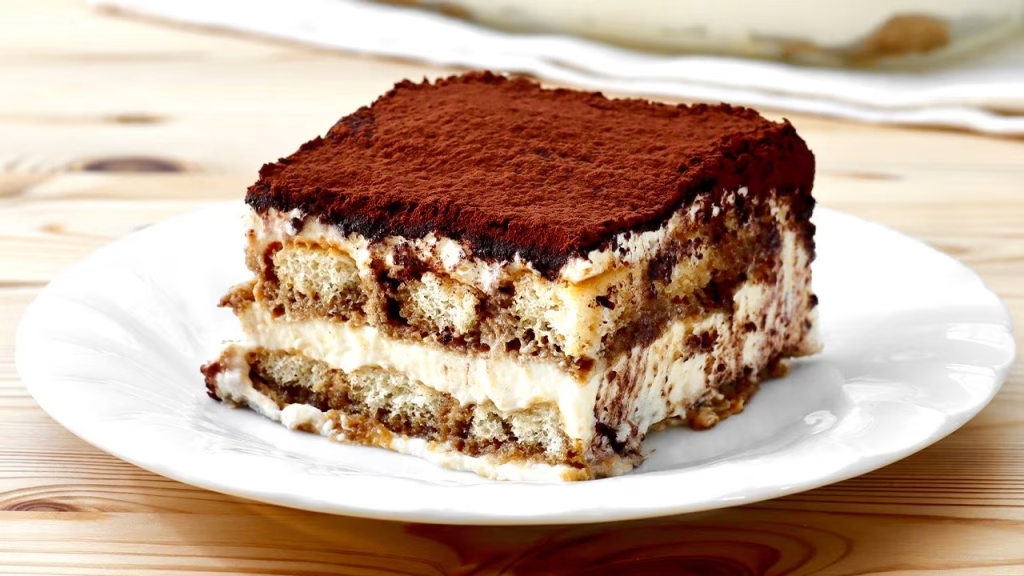
Tiramisu is a dessert that always feels timeless and elegant. The balance of coffee-soaked ladyfingers, creamy mascarpone, a touch of cocoa, and just enough sweetness makes it one of the most beloved Italian creations. Every time I prepare this cake, I am reminded of how a few simple ingredients can come together to create something extraordinary. What I love about tiramisu is how it carries with it a sense of tradition while still leaving room for personal touches that reflect the baker’s own style.
A Dessert with Italian Charm
Tiramisu has its roots in Italy, where it was first made in the Veneto region. Over the years, it has become a staple in restaurants and homes all over the world. The name translates to “pick me up,” which is fitting because the combination of espresso and cocoa brings both comfort and energy. For me, making tiramisu is about more than following a recipe; it is about connecting to a culture that values simplicity and quality. Italians are known for letting ingredients shine, and this cake is the perfect example of that philosophy.
The Role of Coffee
One of the defining flavors of tiramisu is coffee. I always take care to brew a strong espresso, because this is what gives the ladyfingers their depth of flavor. Using a lighter or weaker coffee makes the cake taste flat, so I prefer something robust. The aroma alone sets the stage for what is to come, filling the kitchen with warmth. Dipping the ladyfingers into the espresso requires just the right touch. Too long, and they become soggy; too quick, and they stay dry. Finding that balance is one of those small but satisfying details that make tiramisu so rewarding to prepare.
Choosing Mascarpone
The mascarpone cream is the heart of tiramisu. Its rich, velvety texture and subtle flavor make it unlike any other cheese. I whip it together with egg yolks and sugar until the mixture is pale and airy, then fold in whipped cream or beaten egg whites depending on the method I am using. What results is a cream that is luscious and light at the same time. This is what gives tiramisu its characteristic texture, soft enough to melt on the tongue but firm enough to hold the layers together. I find that using the freshest mascarpone makes a noticeable difference, as it gives the cream a purity that elevates the entire cake.
The Importance of Ladyfingers
Ladyfingers form the structure of tiramisu, creating layers that absorb the coffee and support the mascarpone filling. I have tried both store-bought and homemade versions, and each brings something different to the table. Store-bought ladyfingers are convenient and give the cake a firmer bite, while homemade ones can be lighter and more delicate. Either way, the key is to dip them in coffee quickly and arrange them snugly in the dish so they form an even base. Layering them with care ensures the cake slices cleanly later, showing off the alternating stripes of coffee-soaked biscuit and cream.
A Touch of Cocoa
Cocoa powder is the final flourish of tiramisu. Dusting it generously over the top creates a beautiful contrast against the cream and adds a hint of bitterness that balances the sweetness. I like to use unsweetened cocoa with a deep, rich flavor. Some bakers even add shaved chocolate or chocolate curls for extra indulgence, but I often keep it simple. The classic dusting of cocoa feels authentic, and the bitterness lingers on the tongue in a way that keeps each bite interesting.
Building the Layers
Assembling tiramisu is a soothing process. After dipping the ladyfingers in coffee, I lay them side by side to form a base. Then I spread a thick layer of mascarpone cream over them, smoothing it out to the edges. I repeat the process with another layer of ladyfingers and more cream, finishing with a final coat of cream on top. After a dusting of cocoa, the cake begins to look like the classic dessert it is known to be. What makes this part so enjoyable is watching the layers build into a cake that looks simple yet sophisticated.
The Patience of Chilling
Tiramisu is not a dessert that can be rushed. Once assembled, it needs hours in the refrigerator to set and allow the flavors to meld. I usually leave it overnight, which makes it easier to slice and deepens the taste. The coffee seeps gently into the ladyfingers, and the cream firms up without becoming heavy. By the next day, the cake is ready to be served, and every bite reveals just how much the resting time mattered. This waiting period is always worth it, as the dessert transforms into something greater than the sum of its parts.
Serving with Elegance
When it comes time to serve, tiramisu has a presence that feels both rustic and refined. I use a sharp knife dipped in hot water to make clean cuts, lifting each slice carefully so the layers remain intact. On a plate, a piece of tiramisu looks inviting with its soft layers and cocoa-dusted top. I sometimes add a few coffee beans or a sprinkle of chocolate shavings for decoration, but even without extras, the cake speaks for itself. Sharing it with guests never fails to spark conversation, as people appreciate both its beauty and its flavor.
Variations Worth Exploring
Though the classic version is my favorite, tiramisu lends itself to variations that can be just as delightful. I have tried a strawberry version where the ladyfingers are dipped in fruit syrup instead of coffee, and layers of fresh berries add brightness to the dessert. Another variation I enjoy is using a splash of liqueur like Marsala wine, coffee liqueur, or amaretto in the coffee mixture for added complexity. For summer gatherings, I sometimes make a lemon tiramisu, where lemon zest and a light syrup replace the espresso, giving the dessert a refreshing twist. These variations remind me that tiramisu is versatile and adaptable without losing its identity.
Tips for Success
Over the years, I have learned some tips that make the process smoother. Using chilled bowls and beaters when whipping cream ensures it holds its structure. Folding gently rather than stirring preserves the lightness of the mascarpone mixture. Making sure the coffee is cooled before dipping the ladyfingers prevents them from falling apart too quickly. Allowing enough chilling time gives the dessert its proper texture. Each of these small details might seem minor, but together they create a tiramisu that tastes professional while still being homemade.
Why Tiramisu Stands Out
What makes tiramisu so remarkable is its balance. It is rich yet light, sweet yet slightly bitter, creamy yet structured. Unlike many cakes that rely on heavy layers of sponge or butter, tiramisu offers something more delicate. The coffee provides depth without overpowering the cream, and the cocoa ties everything together. For me, tiramisu is a dessert that appeals to nearly everyone because it strikes that perfect harmony. It feels indulgent without being overwhelming, and its elegance makes it suitable for both casual dinners and special occasions.
The Joy of Sharing
Tiramisu is a dessert best enjoyed with others. Preparing a whole dish of it means it is meant to be sliced and shared, placed at the center of the table for everyone to admire before digging in. I find that people often ask for seconds, which is always the best compliment a baker can receive. Bringing out a tray of tiramisu at a gathering always creates excitement, because it is a dessert people associate with celebration and togetherness. For me, that is part of its magic.
Tradition and Timelessness
Italian desserts often carry a sense of history, and tiramisu is no exception. Though it is relatively modern compared to some other traditional cakes, it has already established itself as a classic. I think part of its staying power comes from how it captures the essence of Italian cooking, simple ingredients, carefully combined, yielding something extraordinary. Every time I make tiramisu, I feel connected to that tradition, even though I am making it in my own kitchen far from Italy. That connection to culture is part of what makes baking so meaningful.
A Cake to Return To
Tiramisu is one of those recipes I return to again and again. It never loses its charm, and every time I prepare it, I find myself appreciating the details more. Whether it is the aroma of espresso, the silky mascarpone, or the first dusting of cocoa, each step feels rewarding. Sharing it with family and friends makes the effort even more worthwhile. It is a cake that does not just satisfy hunger but creates an experience, one that lingers long after the last bite.
Conclusion
Classic Italian Tiramisu Cake is more than just a dessert. It is a reminder of how tradition, simplicity, and quality ingredients can come together to create something remarkable. From the strong coffee that soaks into the ladyfingers to the mascarpone cream that melts in the mouth, every part of it feels thoughtful and deliberate. The patience it requires is rewarded with a dessert that is as beautiful as it is delicious. For me, tiramisu represents the heart of Italian baking, elegance without excess, flavor without fuss, and joy in every slice.