
 By
Sam
By
Sam
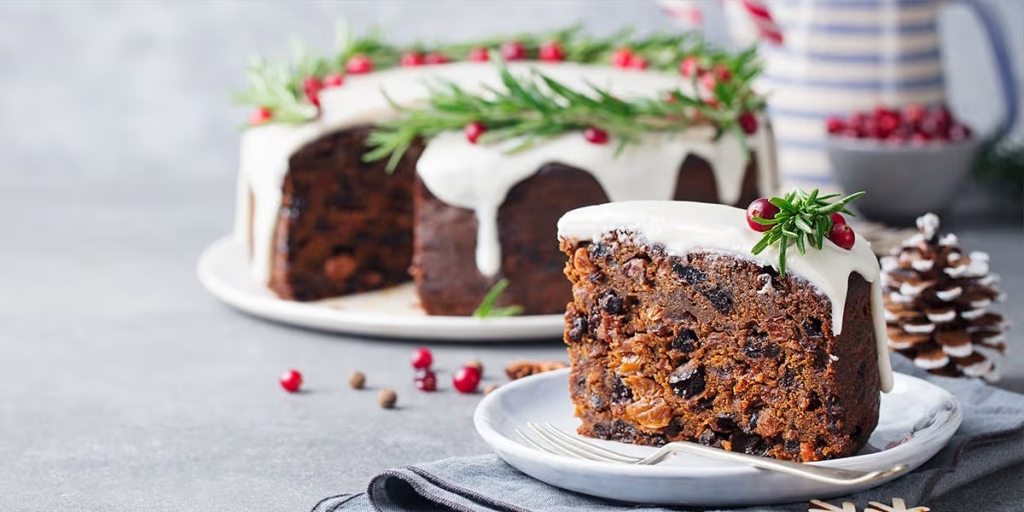
Fruitcake has always held a special place in my baking journey. It is the kind of cake that feels timeless, steeped in tradition, and filled with layers of flavor that reveal themselves with every bite. The combination of dried fruits, crunchy nuts, and warm spices creates something far greater than the sum of its parts. Whenever I bake a fruitcake, it feels like I am taking part in a ritual that has been passed down through generations, and it never loses its sense of occasion. This is not just any cake, it is a celebration of abundance, warmth, and memory.
The Essence of a Classic Fruitcake
The beauty of a traditional fruitcake lies in its richness. Unlike lighter sponge cakes or delicate pastries, this cake is robust and full-bodied, with a density that feels comforting. The dried fruits swell with sweetness, the nuts add crunch and depth, and the spices weave everything together into one harmonious creation. Every slice tells a story of patience and care, because this is not a cake that is rushed. It demands attention, from soaking the fruits to carefully blending the batter, and it rewards that effort with a taste that lingers long after the last bite.
The Ritual of Preparing the Fruits
One of the most enjoyable parts of making a fruitcake is preparing the fruit mixture. I start by choosing a variety of dried fruits, raisins, currants, chopped dates, figs, apricots, candied peel, and cherries. Each brings its own personality to the cake. I like to soak the fruits overnight in a mix of dark rum, brandy, or sometimes strong black tea for a non-alcoholic version. This step allows the fruits to plump up and absorb the liquid, which not only makes the cake moist but also infuses it with a depth of flavor that can’t be replicated. When I stir the bowl of soaked fruit, the fragrance alone is enough to remind me why this cake is worth the effort.
Nuts That Bring Texture and Flavor
No traditional fruitcake feels complete without nuts. Walnuts, pecans, almonds, and hazelnuts each add their own distinct crunch and richness. I usually toast the nuts lightly before folding them into the batter, as it enhances their flavor and keeps them from getting lost among the fruit. The contrast between the chewy fruits and the crisp nuts creates a balance that makes every bite interesting. Sometimes, I chop the nuts finely so they distribute evenly, while other times I leave larger chunks for a more rustic texture. Either way, the nuts ground the sweetness of the fruit and give the cake its hearty bite.
Spices That Warm the Soul
The spices in a fruitcake are what set it apart and give it character. Cinnamon, nutmeg, cloves, and allspice are my staples, though I occasionally add ginger or cardamom for a little twist. The warmth of these spices pairs beautifully with the richness of the fruit and nuts, creating a cake that feels comforting, especially in colder months. When the cake is in the oven, the aroma of spices fills the house and lingers in the air, drawing everyone to the kitchen. It’s one of those smells that makes people smile even before they’ve had a taste.
Crafting the Perfect Batter
The batter for a fruitcake is quite straightforward, but it demands patience. I cream butter and sugar together until they are light and fluffy, then add eggs one at a time, making sure each is fully incorporated before adding the next. A touch of molasses or dark brown sugar deepens the flavor, giving the cake a rich, almost caramel-like undertone. Once the wet ingredients are ready, I fold in the flour and spices carefully, making sure not to overmix. At this point, the fruit and nuts are added, and the batter transforms into something incredibly thick and rich, almost more fruit than cake.
Baking with Care
Fruitcake requires slow, gentle baking. I line the pan with parchment paper and sometimes wrap the outside with an extra layer to protect it from overbrowning. The batter goes into the oven at a lower temperature than most cakes, and it bakes for a long time, sometimes up to three hours, depending on the size. The slow bake ensures that the center cooks through without drying out the edges. I always test with a skewer, making sure it comes out clean, though I also trust the rich fragrance that fills the kitchen as a sign that the cake is ready.
Cooling and Maturing the Cake
Once baked, the fruitcake is not quite finished. Cooling it slowly is important, but what comes next is what truly elevates the cake. I wrap the cooled cake in parchment and foil, then store it in an airtight tin. Over the following weeks, I brush it occasionally with a little brandy or rum, allowing the flavors to deepen and the texture to become even more moist. This process, known as “feeding the cake,” transforms it into something spectacular. The cake matures, the flavors meld together, and every slice feels richer than the last.
Frosting or Leaving It Plain
Some fruitcakes are left plain, letting the fruit and spices speak for themselves, while others are dressed up with frosting or marzipan. Personally, I enjoy both approaches. A plain fruitcake has a rustic charm, perfect for enjoying with tea or coffee. For special occasions, I sometimes cover it with a layer of marzipan and smooth royal icing, giving it a festive, polished appearance. The sweetness of the icing contrasts beautifully with the richness of the cake, creating a balance that makes it ideal for celebrations.
Serving and Pairing Ideas
Fruitcake is incredibly versatile when it comes to serving. It pairs wonderfully with a cup of tea in the afternoon or a glass of dessert wine after dinner. Around the holidays, I often serve it with mulled wine or spiced cider, which enhances the warmth of the spices. A slice of fruitcake also works beautifully with a dollop of whipped cream, a scoop of vanilla ice cream, or even a slice of sharp cheddar cheese, depending on your taste. These pairings bring out different aspects of the cake and make it adaptable to any setting.
Storing and Longevity
One of the remarkable qualities of fruitcake is its longevity. When properly wrapped and stored, it can last for weeks, even months. In fact, it often tastes better after some time has passed. The alcohol acts as a preservative, and the dense structure of the cake means it doesn’t go stale quickly. I always make a few fruitcakes in advance during the holiday season, knowing that they will not only last but also improve with age. This quality makes fruitcake a gift that keeps on giving, both literally and figuratively.
Personal Twists and Variations
While I adore the traditional version, I often enjoy experimenting with variations. Sometimes I swap brandy for spiced rum or use orange juice for a non-alcoholic soak. Dried cranberries and blueberries add a tart edge, while tropical fruits like pineapple or mango give the cake a sunny twist. On some occasions, I drizzle the finished cake with a citrus glaze for brightness or fold in a bit of dark chocolate for richness. These personal touches keep the tradition alive while allowing me to make the cake my own.
Why This Cake Feels Timeless
What I love most about fruitcake is its timeless quality. It doesn’t chase trends or try to be flashy. Instead, it relies on tradition, balance, and flavor to win people over. It’s the kind of cake that invites sharing, that carries stories of past holidays, and that makes new memories with each bake. For me, fruitcake is less about impressing and more about connecting, with family, with tradition, and with the simple joy of baking something filled with love and care.
A Celebration in Every Slice
Each slice of fruitcake feels like a celebration. The glisten of dried fruit, the crunch of toasted nuts, and the warm embrace of spices come together to create something truly special. It may not be the lightest cake or the trendiest, but it is one that carries meaning and heart. Whenever I bake a traditional fruitcake with nuts and spices, I am reminded that the best cakes are not only about taste, they are about the moments they create, the people they bring together, and the memories they help preserve.
Conclusion
The Traditional Fruitcake with Nuts and Spices is a cake that embodies patience, richness, and tradition. From soaking the fruits to feeding the finished cake, every step requires care, but the reward is a dessert that is as memorable as it is delicious. Whether served plain with a cup of tea or dressed up for a festive table, this cake never fails to impress. It is a cake that lasts, both in flavor and in the memories it helps create. For me, fruitcake is more than just a recipe, it is a reminder of the enduring power of baking to bring warmth, joy, and celebration into everyday life.