
 By
Sam
By
Sam
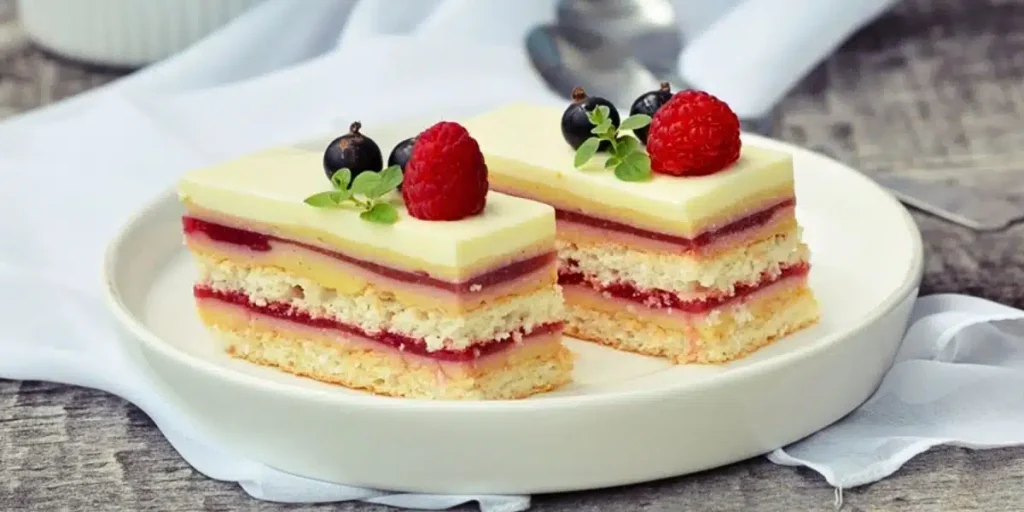
Baking has always been one of the most rewarding ways to create something beautiful and delicious. A cake can be more than just dessert, it becomes an expression of celebration, comfort, and craft. Among the many varieties of cakes that stand out, the Bavarian cream cake with fruit glaze remains one of the most elegant. It combines the richness of a custard-like filling with the softness of sponge cake and the fresh brightness of fruit, all brought together with a smooth glaze that makes it look as good as it tastes.
The Charm of Bavarian Cream
Bavarian cream has its roots in classic European pastry traditions. Unlike a simple whipped cream filling or a custard that is baked into the cake, Bavarian cream is a silky creation made from milk or cream thickened with eggs and gelatin, then lightened with whipped cream. The result is a texture that is firm enough to slice cleanly but still melts on the tongue. When tucked between layers of sponge or used as a filling in a cake, it brings a luxurious contrast to the soft crumb.
This cream has been a hallmark of French and German patisserie for centuries. It feels sophisticated without being overly complicated. I have always admired how its lightness balances out the sweetness of cake, creating a dessert that feels indulgent but not overwhelming.
Crafting the Sponge Layers
The base of any Bavarian cream cake is the sponge. A good sponge must be airy yet sturdy enough to hold the weight of the filling and glaze. I like to prepare a classic génoise sponge, which uses whole eggs whipped with sugar until they triple in volume. Flour is sifted in carefully, and melted butter or oil is folded at the end to keep the cake moist.
Once baked, the sponge has a golden color and a springy texture. When sliced into layers, it holds together without crumbling. The beauty of this sponge is that it absorbs flavors well, so brushing the layers with a light syrup or fruit juice before adding the cream elevates the final taste. For this cake, I often use a simple syrup infused with vanilla or a splash of fruit liqueur. It ensures every bite has a balanced sweetness without being dry.
Preparing the Bavarian Cream Filling
The cream itself requires some attention, but the process is worth the effort. I start by heating milk and sugar, then tempering egg yolks with the hot mixture to create a custard base. Once it thickens on the stove, gelatin is added to set it. After cooling slightly, whipped cream is folded in gently to create that signature airy texture.
When spooned between the sponge layers, the cream spreads evenly and settles into a smooth filling. What I love most is how it firms up in the fridge, creating perfectly neat slices when the cake is cut. Unlike buttercream or ganache, it feels lighter, almost refreshing, making it ideal for warm weather or celebrations where guests prefer something that does not feel too heavy.
Adding the Fruit Element
Fresh fruit plays an important role in this cake. The cream and sponge alone are delightful, but the fruit provides contrast and a pop of flavor. I prefer berries such as strawberries, raspberries, and blueberries, though slices of peaches, mangoes, or kiwis also work beautifully. The fruits can be arranged between the layers along with the cream, giving the cake a burst of color and flavor in every slice.
Another approach I enjoy is keeping the inside purely cream-filled and saving the fruit for the topping. This way, the cake slices show the elegant layers of sponge and cream, crowned by a vibrant fruit display on top. Either way, fruit introduces a natural sweetness and acidity that balances the richness.
The Final Touch: Fruit Glaze
The crowning glory of the Bavarian cream cake is the fruit glaze. It seals the fresh fruit, adds shine, and gives the cake a polished, professional appearance. Making the glaze is fairly simple. A mixture of fruit juice, sugar, and cornstarch or gelatin is heated until it thickens and becomes translucent. Once slightly cooled, it is poured gently over the arranged fruit, coating it in a glossy layer that locks in freshness.
I love how the glaze transforms the fruit into little jewels that sparkle under the light. Strawberries gleam, blueberries shine, and peaches glow with a golden sheen. The glaze is not just decorative, it also prevents the fruit from drying out, keeping the cake fresh for longer.
Building the Cake Step by Step
The assembly is where everything comes together. I start with one sponge layer on a serving plate, brush it with syrup, then spread a generous layer of Bavarian cream. If I want fruit inside, I scatter slices or berries over the cream. Another sponge layer goes on top, and the process repeats. Once all the layers are stacked, I cover the cake with the remaining cream or simply leave the sides exposed for a more rustic look.
The fruit is then carefully arranged on top in a pattern, sometimes concentric circles, sometimes a loose pile of mixed berries. Finally, the glaze is poured over to complete the masterpiece. The cake is chilled for several hours to allow the cream to set fully before slicing.
The Balance of Flavors and Textures
What makes this cake so special is the harmony between its components. The sponge is tender but stable, the cream is light and luscious, the fruit is vibrant and juicy, and the glaze ties it all together. Each forkful delivers different sensations, the soft sponge, the melt-in-your-mouth cream, the burst of fruit, and the smooth glaze that lingers with sweetness.
This balance makes it a cake that appeals to many palates. It is neither too sweet nor too heavy, which is why it works beautifully for occasions ranging from birthdays to weddings. Guests are often surprised by how refreshing it feels compared to richer desserts.
Variations and Creative Twists
While the classic Bavarian cream cake with fruit glaze is timeless, I often experiment with variations. For a tropical version, I use mango and passion fruit, pairing them with a coconut sponge. A more decadent take involves chocolate sponge layers with cherry filling, reminiscent of Black Forest flavors. For a festive touch, I sometimes brush the sponge with champagne syrup, which gives the cake a celebratory flair.
Another fun idea is to create mini versions of the cake in individual molds. These make beautiful plated desserts for dinner parties, where each guest gets their own little Bavarian cream cake topped with a fruit glaze dome. The versatility of the recipe means it can be adapted to suit different seasons, themes, or preferences.
Why This Cake Stands Out
Among all the cakes I have baked, the Bavarian cream cake with fruit glaze consistently feels like the most balanced. It avoids the heaviness that some cream-based cakes carry, while still delivering a luxurious taste. The freshness of fruit keeps it vibrant, and the visual appeal is undeniable. Whenever I present this cake at gatherings, it draws attention immediately, with people admiring the glossy fruit topping before even picking up a fork.
The fact that it requires refrigeration also makes it a practical choice for summer celebrations. Unlike buttercream cakes that may wilt in the heat, this one holds its shape well and actually tastes best when chilled. That makes it an ideal dessert for outdoor events, where guests appreciate something cool and refreshing.
Final Thoughts on the Experience
Every time I bake this cake, I am reminded of why I enjoy baking so much. It is not only about the flavors but also the process of creating something from scratch, layering textures, and presenting a dessert that feels special. The Bavarian cream cake with fruit glaze is more than just a recipe, it is an experience. From whipping the sponge to folding the cream, from arranging the fruit to pouring the final glaze, every step carries its own reward.
Sharing it with others makes it even better. Watching guests cut into the soft layers and savor the balance of cream and fruit always brings a sense of satisfaction. It is a cake that feels timeless, one that can be enjoyed across generations, carrying both elegance and comfort on the same plate.