
 By
Sam
By
Sam
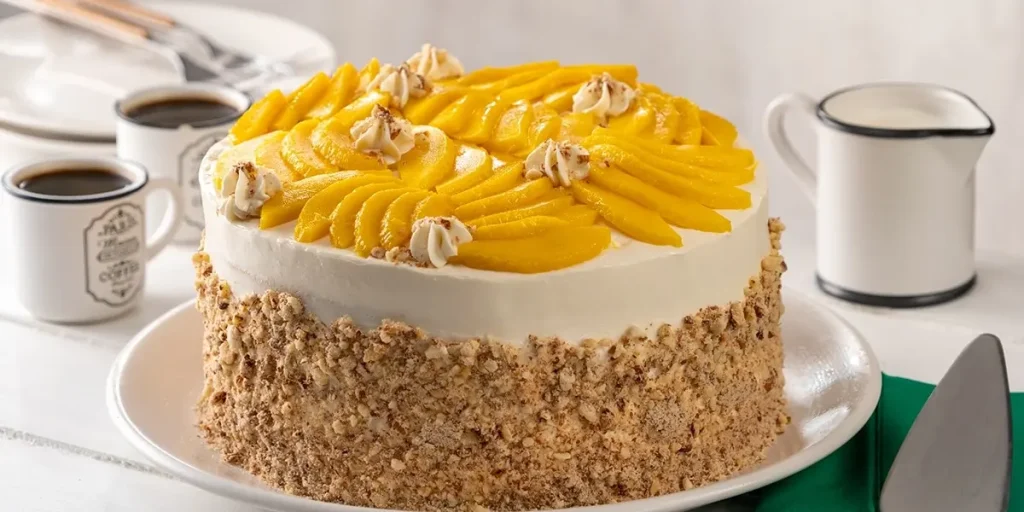
Tropical mango cake with buttercream frosting feels like a slice of sunshine captured in dessert form. The first forkful takes me straight to warm breezes, bright skies, and the sweet fragrance of ripe mangoes. There’s something about the combination of soft sponge layers infused with mango puree and the smooth creaminess of buttercream that creates a cake worthy of celebration. It’s vibrant without being overly complicated, indulgent while still refreshing, and always a conversation starter when it’s served.
Why Mango Works So Well in Cake
Mango is one of those fruits that seems made for dessert. Its natural sweetness carries hints of floral and citrus, and when baked into cake, it brings both flavor and moisture. The fruit balances the richness of butter and sugar with its brightness, so the cake never feels heavy. Unlike berries, which can sometimes bleed into batter, mango holds its own and maintains a lush texture even when baked.
What makes mango shine in a cake is how versatile it can be. Pureed mango blends smoothly into the batter for a consistent flavor, while diced pieces scattered through the layers add bursts of fruitiness. Paired with buttercream, it’s a match made in heaven. The silky frosting mellows the fruit’s tanginess while highlighting its tropical character.
Picking the Right Mangoes
The quality of the cake depends heavily on the mangoes you choose. I always look for ripe, fragrant mangoes that give slightly when pressed. Overripe mangoes make excellent puree, while firmer ones can be diced and folded into the cake or used for decoration. Alphonso, Ataulfo, or Kent mangoes are some of my favorites because they’re naturally sweet, smooth, and fiber-free, which means the puree blends beautifully without stringiness.
If fresh mangoes aren’t available, canned puree or frozen chunks work as alternatives, but I still prefer fresh fruit whenever possible. The difference in flavor is noticeable, the perfume of a fresh mango makes the cake feel more authentic and vibrant.
Building the Perfect Sponge
A tropical mango cake deserves a sponge that’s both soft and flavorful. I prepare the batter by creaming butter and sugar until fluffy, then adding eggs one at a time for structure. The star ingredient is mango puree, which not only infuses the batter with flavor but also contributes natural moisture. To keep the crumb light, I sift in flour with a bit of baking powder, folding it gently so the batter doesn’t lose its airiness.
Sometimes I like to add a hint of lime zest or coconut milk to the batter, which enhances the tropical feel. The citrus sharpens the mango’s sweetness, while coconut brings a creamy undertone. The sponge bakes into golden layers that smell irresistible even before the frosting goes on.
Crafting the Buttercream Frosting
Buttercream frosting acts as the smooth canvas that ties the whole cake together. I usually make a classic American buttercream with softened butter, powdered sugar, a splash of vanilla, and just enough cream to reach a spreadable consistency. For this particular cake, I often fold in a touch of mango puree to tint the frosting a pale golden hue and add another layer of flavor.
The contrast between the fruity sponge and the creamy frosting is what makes each bite so satisfying. The buttercream is rich but not overwhelming, and its smooth texture complements the tender cake. When layered generously between the sponges and spread around the exterior, it turns the cake into a centerpiece worthy of any table.
Assembling the Cake
Once the cake layers are cooled completely, the fun begins. I trim any domed tops to make the layers even, then spread buttercream between each one. Sometimes I’ll add thin slices of fresh mango between the layers for extra freshness and visual appeal. After stacking, I cover the entire cake in a crumb coat, chill it briefly, then apply a final smooth layer of buttercream.
For decoration, fresh mango slices arranged in a fan or rose pattern on top create a striking finish. I’ve also piped swirls of buttercream around the edges and nestled mango pieces between them. Toasted coconut flakes sprinkled along the sides add both flavor and texture, making the cake look tropical and festive.
The Experience of Baking
What I love most about this cake is the experience of making it from start to finish. The kitchen fills with the scent of ripe mango and buttery cake, a fragrance that instantly brightens the mood. The process of pureeing mangoes, whipping buttercream, and carefully assembling each layer feels meditative. Baking this cake isn’t just about the end product, it’s about enjoying the steps along the way.
Every time I bake it, I notice how the colors and textures bring joy. The golden-orange puree, the creamy butter frosting, the gleam of fresh fruit on top, it’s like painting with ingredients. It reminds me that cakes are more than desserts; they’re edible art that reflect creativity and care.
Serving Tropical Mango Cake
This cake works beautifully for birthdays, summer gatherings, or any occasion that calls for a showstopper dessert. I like serving it chilled because the flavors become more pronounced and the buttercream holds its shape better. A slice alongside a cup of tea in the afternoon feels indulgent without being overly heavy.
For special occasions, I sometimes drizzle a mango glaze over the top or pair it with a scoop of coconut ice cream. Both variations highlight the tropical flavors and make the cake feel even more luxurious.
Variations to Explore
One of the joys of this recipe is how easy it is to adapt. For a lighter version, whipped cream frosting can replace buttercream, creating a dessert that feels almost like a fruit trifle in cake form. For a richer option, cream cheese frosting adds tang that balances the mango’s sweetness.
Other tropical fruits also work well in combination with mango. Pineapple chunks folded into the layers add extra juiciness, while passion fruit glaze drizzled over the top introduces tartness. Even a sprinkle of chili powder on fresh mango slices creates a playful sweet-spicy contrast for adventurous palates.
Why This Cake Stands Out
Tropical mango cake with buttercream frosting stands out because it embodies joy. It’s not just a dessert, it’s a celebration of color, flavor, and texture. The brightness of mango against the smoothness of buttercream feels both comforting and exciting. Every slice captures the taste of summer and delivers it in the form of cake.
I’ve noticed that whenever I serve this cake, it sparks conversations. People want to know how the mango is incorporated, they admire the fresh fruit decoration, and they usually come back for a second slice. That reaction is the best reward for any baker.
Step-By-Step Recipe
Ingredients for the Sponge:
- 2 cups all-purpose flour
- 2 teaspoons baking powder
- ½ teaspoon baking soda
- ½ teaspoon salt
- ½ cup unsalted butter, softened
- 1 cup granulated sugar
- 3 large eggs
- 1 cup mango puree (from ripe mangoes)
- ½ cup milk or coconut milk
- 1 teaspoon vanilla extract
- Zest of 1 lime (optional)
Ingredients for Buttercream Frosting:
- 1 cup unsalted butter, softened
- 4 cups powdered sugar
- 3–4 tablespoons heavy cream or milk
- 1 teaspoon vanilla extract
- 2–3 tablespoons mango puree (optional, for flavor and color)
For Decoration:
- Fresh mango slices
- Toasted coconut flakes (optional)
Method:
- Preheat oven to 350°F (175°C) and grease and line two 9-inch round cake pans.
- In a bowl, sift flour, baking powder, baking soda, and salt. Set aside.
- In a large mixing bowl, cream butter and sugar until light and fluffy.
- Add eggs one at a time, beating well after each addition. Stir in vanilla.
- Mix in mango puree until smooth.
- Alternate adding the dry ingredients and milk, beginning and ending with flour mixture. Fold gently to avoid overmixing.
- Divide batter evenly between the pans and bake for 25–30 minutes or until a toothpick comes out clean.
- Let cakes cool completely before frosting.
- For buttercream, beat butter until creamy. Gradually add powdered sugar, then cream, vanilla, and mango puree if desired. Beat until fluffy.
- Assemble by spreading frosting between layers, then covering the entire cake. Decorate with fresh mango slices and toasted coconut.
Final Thoughts
Baking tropical mango cake with buttercream frosting is like bringing a little vacation into the kitchen. It’s a cake that celebrates fruit at its peak, wrapped in the richness of buttercream, and presented with flair. Every step, from choosing the mangoes to slicing the final cake, is filled with satisfaction.
This cake has become one of my favorites to share, not just because of how it tastes but because of how it makes people feel. It carries warmth, happiness, and a touch of tropical escape in every bite. For me, that’s what baking is all about, creating moments of joy that linger long after the last crumb is gone.