
 By
Sam
By
Sam
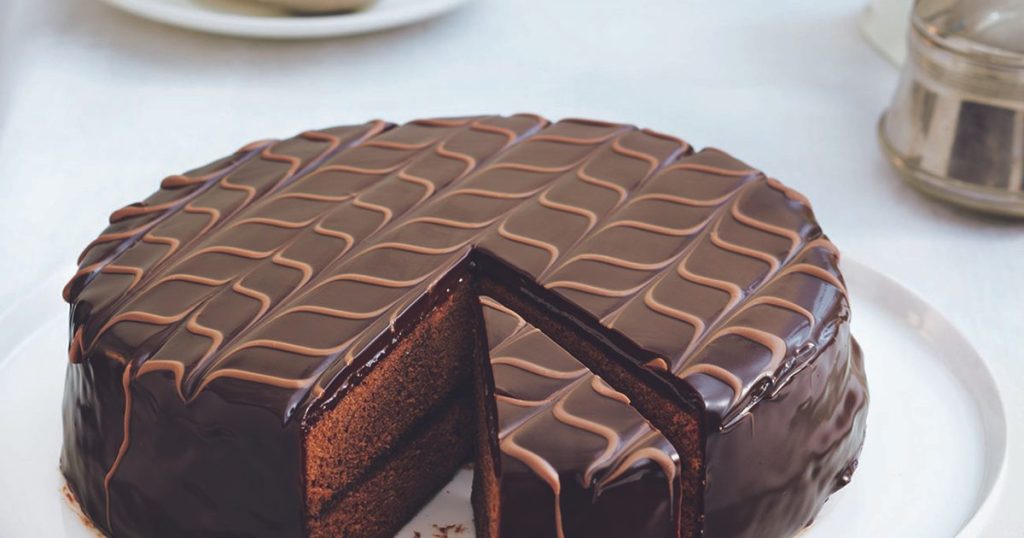
Classic desserts always hold a special charm, and one that has stood the test of time in both flavor and elegance is the Sacher Torte. This chocolate masterpiece, originating from Vienna, is more than just a cake, it’s a symbol of tradition, refinement, and the kind of culinary art that bridges history with modern indulgence. Whenever I bake a Sacher Torte, I feel like I’m connecting with a centuries-old story while still creating something that feels fresh and inviting.
The Story Behind the Cake
The Sacher Torte was created in 1832 by a young apprentice named Franz Sacher, who was tasked with preparing a special dessert for Prince Metternich of Austria. What began as an ambitious attempt to impress royalty soon evolved into one of the most iconic cakes in the world. It’s remarkable how a simple idea, rich chocolate sponge layered with apricot jam and coated in a glossy chocolate glaze, could endure through generations and still be served in elegant cafés and patisseries around the world.
The original recipe is still a guarded secret of the Hotel Sacher in Vienna, where visitors line up daily for a slice of this legendary cake. But home bakers like me find joy in recreating it in our own kitchens, using the foundation of its key components while adding personal touches.
The Structure of a Sacher Torte
At its core, the Sacher Torte is defined by three elements: a dense yet tender chocolate sponge, a layer of smooth apricot jam, and a chocolate glaze that sets to a flawless sheen. These parts combine to form a cake that is rich but not overly sweet, indulgent but refined.
The sponge itself is firmer than many other chocolate cakes, intentionally so, as it’s designed to hold its shape and pair well with whipped cream. The apricot jam layer adds both sweetness and a tangy contrast, while the glaze provides a polished finish that makes the cake look as elegant as it tastes. The result is a dessert that’s beautifully balanced, with each component enhancing the others.
Preparing the Sponge
The sponge for Sacher Torte is distinct from lighter chocolate cakes. Instead of being fluffy and airy, it is rich, slightly firm, and deeply flavored with chocolate. The base typically uses melted dark chocolate combined with butter, sugar, eggs, and flour. Beaten egg whites are folded in at the end, ensuring the batter still has lift while maintaining its characteristic density.
I find that using a high-quality chocolate with a cocoa content of around 55 to 60 percent delivers the best results. Too dark, and the cake risks becoming bitter; too sweet, and it loses the sophistication that makes it unique. Baking the sponge requires patience, as overbaking can dry it out, while underbaking prevents it from setting properly. A well-baked Sacher sponge should be springy to the touch and firm enough to slice cleanly.
The Apricot Jam Layer
The use of apricot jam is one of the most memorable aspects of a Sacher Torte. It adds brightness to an otherwise dark dessert, cutting through the richness with its tart sweetness. The jam is often thinned slightly with water or rum before being spread between the cake layers and across the exterior to seal the sponge before glazing.
This apricot layer does more than add flavor, it also locks in moisture, preventing the sponge from drying out and helping the glaze adhere smoothly. For me, brushing the jam onto the cake is a satisfying step, as it marks the transformation from a simple sponge into the beginnings of a true Sacher Torte.
The Chocolate Glaze
The crowning glory of this cake is its flawless chocolate glaze. Unlike a ganache, which is soft and creamy, the Sacher glaze sets into a glossy coating with just enough firmness to slice cleanly. It’s typically made by melting chocolate with sugar syrup, which gives it a smooth, pourable consistency that hardens into a mirror-like finish as it cools.
Pouring the glaze over the cake requires a steady hand and a bit of confidence. I like to place the cake on a wire rack over a tray, then pour the glaze in one motion, letting it cascade down the sides naturally. Once set, the cake looks like a jewel, with the sheen of the glaze capturing the eye even before the first bite.
Serving with Whipped Cream
Traditionally, a slice of Sacher Torte is served with a dollop of unsweetened whipped cream. This pairing is not optional, it’s essential. The cake on its own, while delicious, is rich and somewhat dry due to its dense sponge. The whipped cream lightens the experience, adding airiness and creaminess that balances the intensity of the chocolate and apricot.
I always serve mine with freshly whipped cream, gently folded until soft peaks form. Unsweetened cream keeps the focus on the cake’s flavors, while sweetened cream can tip the balance toward cloying. This small detail makes a huge difference in how the dessert is enjoyed.
A Cake of Occasions
The Sacher Torte isn’t an everyday cake. Its preparation, presentation, and sheer elegance make it a dessert for special occasions. I find it especially fitting for holidays, anniversaries, or dinner parties where a touch of tradition and sophistication is desired. Yet even outside of grand celebrations, baking this cake feels like a celebration in itself. The process of melting chocolate, beating eggs, layering jam, and pouring glaze is immersive and rewarding, a reminder of why baking is as much about the journey as the result.
Whenever I bring a Sacher Torte to the table, it never fails to draw admiration. The glossy glaze always sparks conversation, and once sliced, the distinct layers tell their own story. Each bite carries history, craft, and indulgence.
Variations and Personal Twists
While purists stick to the original style, I sometimes enjoy experimenting with subtle variations. For example, infusing the apricot jam with a splash of orange liqueur adds complexity, while using raspberry jam instead creates a sharper contrast against the chocolate.
I’ve also tried different chocolate percentages for the glaze, depending on the audience. Some prefer a slightly sweeter glaze, which pairs beautifully with the tangy jam, while others lean toward a darker, more intense finish. For festive occasions, I’ve even decorated the top with gold leaf or chocolate curls, though the classic smooth glaze needs no embellishment to impress.
Tips for Perfecting the Cake
Over time, I’ve discovered a few techniques that help ensure success with Sacher Torte. First, always line the cake tin with parchment to prevent sticking, as the sponge is firm and can be tricky to release. Second, allow the sponge to cool completely before slicing and layering, to avoid tearing the delicate crumb. Third, strain the apricot jam to remove any chunks before spreading, which ensures a smooth surface for glazing.
Finally, patience is key with the glaze. Rushing this step often leads to uneven coverage. Pour steadily, avoid touching the glaze once it sets, and let it harden at room temperature for the best finish.
Storing and Enjoying Later
One of the advantages of this cake is its longevity. The apricot jam helps preserve moisture, allowing the cake to stay fresh for several days when stored properly. I usually keep it in an airtight container at room temperature, and it remains just as delightful on day three as it was fresh. In fact, some argue the flavors improve as the sponge absorbs more of the jam.
If making it ahead of time for an event, I recommend preparing the sponge one day and finishing with jam and glaze the next. This not only breaks up the work but also ensures the cake is at its best when served.
Why This Cake Endures
The Classic Austrian Sacher Torte endures because it combines simplicity with sophistication. It’s not overloaded with cream, fruits, or excessive decoration. Instead, it relies on balance, rich chocolate, bright apricot, glossy glaze, and light whipped cream. This restraint is what makes it timeless.
When I bake this cake, I feel like I’m carrying forward a tradition that began in a royal kitchen nearly two centuries ago. It’s humbling to think that the same flavors I savor were once enjoyed by aristocrats in Vienna, and today by anyone with a love for fine desserts. That connection across time and place is rare, and it’s part of what makes the Sacher Torte truly special.
Final Thoughts
Baking a Classic Austrian Sacher Torte is an experience that blends history, technique, and indulgence. From its firm chocolate sponge to its apricot layer and signature glaze, every step contributes to a cake that is more than the sum of its parts. It’s a dessert that demands care but rewards generously, offering both elegance and comfort in every slice.
For me, the joy of this cake lies not just in its flavor but in what it represents, a story preserved through generations, a tradition still alive in kitchens around the world, and a reminder that the best desserts are those that stand the test of time.