
 By
Sam
By
Sam
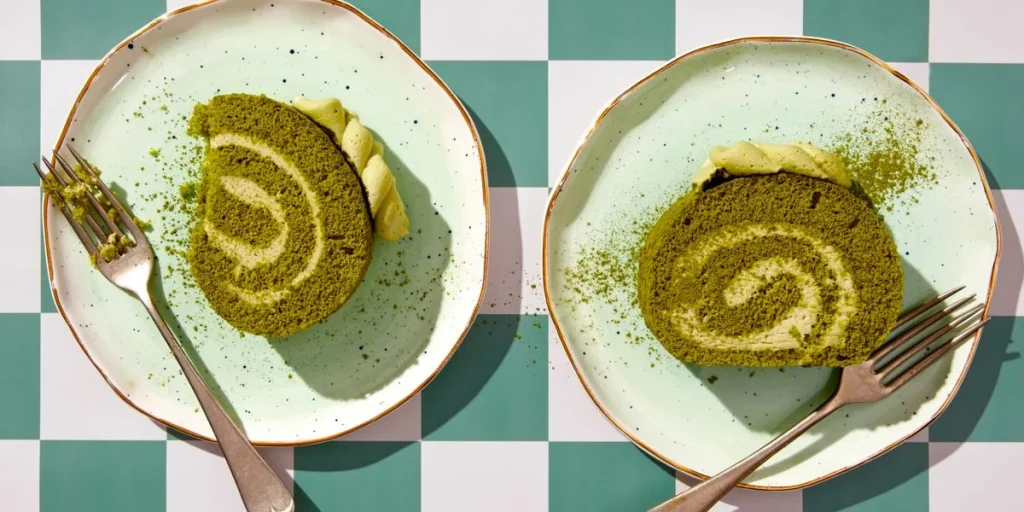
Matcha has always had a unique way of transforming ordinary desserts into something that feels refined and luxurious. When used in a cake, its earthy flavor, deep green color, and subtle bitterness create an experience that is entirely different from the usual sweetness we expect from baked goods. A matcha green tea cake with cream frosting isn’t just about taste, it’s about balance, elegance, and presentation. The bold green layers contrasted with soft, pillowy frosting make it a showstopper on any table, and the first bite always leaves a lasting impression.
The Appeal of Matcha in Baking
Matcha has become incredibly popular in the world of baking, and for good reason. Unlike cocoa powder, which brings a familiar richness, matcha contributes a complex flavor that feels sophisticated and refreshing. Its earthy bitterness pairs beautifully with sugar, cream, and vanilla, creating a layered taste that evolves with every bite. It doesn’t overwhelm; instead, it lingers subtly on the palate.
What makes it even more appealing is the vibrant green color. It’s natural, eye-catching, and instantly communicates that you’re about to taste something special. In cakes, the green crumb contrasts against white frosting in a way that feels both modern and traditional. The result is a dessert that looks as impressive as it tastes.
The Importance of High-Quality Matcha
Not all matcha is the same. I’ve learned through trial and error that the grade of matcha you use makes a dramatic difference in your cake. Culinary-grade matcha is typically used for baking because it holds its flavor and color well in the oven. It’s less expensive than ceremonial-grade matcha, which is intended for whisking into tea, but it still delivers the depth of flavor needed for desserts.
If you use low-quality matcha, the color tends to bake into a dull olive tone, and the flavor can lean bitter without the delicate balance that good matcha provides. A vibrant, fine powder with a fresh, grassy aroma always produces the best results. Investing in good matcha is the first step toward baking a truly memorable cake.
Building the Perfect Matcha Sponge
The base of a matcha green tea cake is usually a sponge that is light yet strong enough to hold layers and frosting. The texture needs to be moist but not heavy, with enough structure to slice cleanly. To achieve this, the method is just as important as the ingredients.
Creaming butter and sugar until pale and fluffy sets the foundation for a light cake. Eggs are added one at a time, ensuring they incorporate fully without splitting the batter. Sifted flour mixed with matcha powder brings both structure and flavor. Folding the dry ingredients gently into the wet mixture helps keep the air that was beaten into the butter and eggs, resulting in a soft crumb.
Sometimes I like to use a small amount of yogurt or sour cream in the batter. This adds tenderness and a subtle tang that complements the earthy flavor of matcha. The final result is a sponge that is moist, aromatic, and vibrant in color.
Balancing Flavors with Cream Frosting
While the cake itself is bold and earthy, the cream frosting is what ties everything together. A whipped cream frosting keeps the dessert light and refreshing, while a cream cheese or mascarpone-based frosting adds more richness and tang.
Whipped cream frosting is perfect for highlighting the delicacy of matcha. It doesn’t compete with the flavor but enhances it with a smooth, velvety finish. On the other hand, cream cheese frosting provides a more indulgent experience. It stands up to the slight bitterness of the matcha, creating a contrast that feels balanced and satisfying.
The choice of frosting depends on the occasion. For a light afternoon tea, I prefer whipped cream. For a celebration cake, cream cheese or mascarpone makes the dessert feel a little more extravagant.
Layers That Impress
Layer cakes always carry a certain wow factor, and matcha green tea cake is no exception. Splitting the sponge into two or three even layers creates space for generous spreads of frosting. Each cut reveals alternating stripes of green cake and white cream, a presentation that never fails to impress.
When assembling the layers, I make sure to spread the frosting evenly without pressing too hard. Overworking the frosting can push air out of the cake, leaving it dense instead of airy. A light hand keeps the structure intact. Sometimes I add thin slices of strawberries or raspberries between layers, which brighten the flavor and add a pop of color against the green and white.
The Visual Beauty of Matcha Cake
One of the most striking features of this cake is its appearance. The natural green from the matcha doesn’t need elaborate decorations. A smooth finish of frosting, a light dusting of matcha powder on top, and maybe a few fresh berries or edible flowers are often all it takes to make the cake look stunning.
For a more elegant touch, I sometimes use a piping bag to add swirls or rosettes of cream frosting. The contrast between the clean green layers and the detailed white frosting designs creates a cake that looks like it belongs in a patisserie window. Presentation matters just as much as taste, and this cake is one that practically decorates itself.
The Role of Patience in Baking Matcha Cake
Baking any layer cake requires patience, but matcha cake seems to demand just a bit more. The steps, sifting matcha carefully, creaming butter until fluffy, folding flour with a light hand, cannot be rushed. If I cut corners, the cake reminds me by turning out dense or uneven.
Even cooling the cake layers is a lesson in patience. Cutting into a warm sponge causes it to crumble, so I always let the layers cool completely before frosting. The time spent waiting is rewarded with neat slices and a finished cake that holds together beautifully.
Why Matcha Appeals to Modern Tastes
In a world where people are seeking desserts that feel less heavy and more nuanced, matcha fits perfectly. It’s naturally lower in sweetness compared to chocolate-based cakes, which makes it appealing to those who don’t enjoy overly sugary treats. It also carries a sense of wellness, thanks to its reputation as a superfood rich in antioxidants.
Of course, I don’t bake matcha cake because it’s healthy, I bake it because it’s delicious. But I can’t deny that guests often feel better indulging in a slice of matcha cake than they might with a triple chocolate creation. It offers a balance between indulgence and lightness that feels very much in tune with modern preferences.
Variations to Try
Matcha cake is endlessly versatile. I’ve experimented with adding white chocolate chips to the sponge, which melt into small pockets of sweetness that complement the matcha beautifully. Fresh fruit layers, particularly with strawberries, raspberries, or even mango, bring a fruity brightness that lifts the flavor.
Another variation I enjoy is pairing matcha with red bean paste, a traditional Japanese combination. Spreading a thin layer of sweetened red bean between cake and frosting creates a fusion of textures and flavors that feels authentic and unique.
For those who love richer desserts, a white chocolate ganache frosting instead of whipped cream adds decadence without overwhelming the matcha. The creaminess of the chocolate balances the bitterness perfectly, and the cake becomes something that feels luxurious enough for the most special celebrations.
The Ritual of Baking Matcha Cake
There’s something calming about baking with matcha. From sifting the powder to watching the batter turn a beautiful green, the process feels almost meditative. The earthy aroma that fills the kitchen while it bakes creates anticipation long before the cake is ready.
I often find that baking this cake connects me to tradition while still letting me create something modern. Matcha has centuries of history in Japanese tea ceremonies, where preparation is an art form. Bringing it into the kitchen and transforming it into a cake feels like honoring that tradition while adapting it for a new purpose.
Serving Suggestions
This cake works well for almost any occasion. Served with tea in the afternoon, it feels light and refreshing. At birthdays or special events, its striking appearance makes it the centerpiece of the table. Because it isn’t overly sweet, it pairs beautifully with drinks like green tea, jasmine tea, or even a light sparkling wine.
Sometimes I like to keep it simple, serving slices with just a cup of hot tea. Other times, I’ll dress it up with fresh fruit and piped cream for a celebration. Either way, the cake never fails to impress.
Troubleshooting Common Issues
Matcha cake isn’t difficult, but it does present a few challenges. Overbaking can dry out the sponge, robbing it of its tenderness. To avoid this, I always check for doneness a few minutes before the recipe suggests, using a skewer to see if it comes out clean.
Another common issue is uneven color. If the matcha isn’t sifted thoroughly, clumps can create dark green streaks in the cake. Taking the time to sift the powder carefully ensures a uniform, beautiful crumb.
Finally, frosting can sometimes slide off if the cake isn’t cooled completely. Waiting for the layers to cool, or even chilling them slightly before frosting, prevents this problem and makes assembly much easier.
Why I Keep Returning to Matcha Cake
Out of all the cakes I bake, matcha green tea cake with cream frosting remains one of my favorites. It has a sophistication that sets it apart from everyday desserts. It’s light without being boring, beautiful without requiring too much decoration, and versatile enough to adapt for different occasions.
Every time I bake it, I feel that same sense of calm and anticipation. The process has become a ritual, from the smell of the matcha as I open the tin to the moment I slice into the finished cake. It’s not just about dessert, it’s about creating something that feels special and meaningful.
Conclusion
Matcha green tea cake with cream frosting is a dessert that captures balance in every sense, between bitterness and sweetness, tradition and modernity, elegance and simplicity. Its vibrant green crumb, delicate flavor, and soft frosting make it a cake that impresses both in taste and appearance. Baking it requires patience and attention, but the reward is a creation that always feels worth the effort.
If you’re searching for a cake that feels different yet approachable, one that delights the eyes as much as the taste buds, this is the one to try. Every slice is proof that desserts don’t need to be heavy to be memorable. Sometimes, a little matcha and cream are all it takes to create magic on a plate.