
 By
Sam
By
Sam
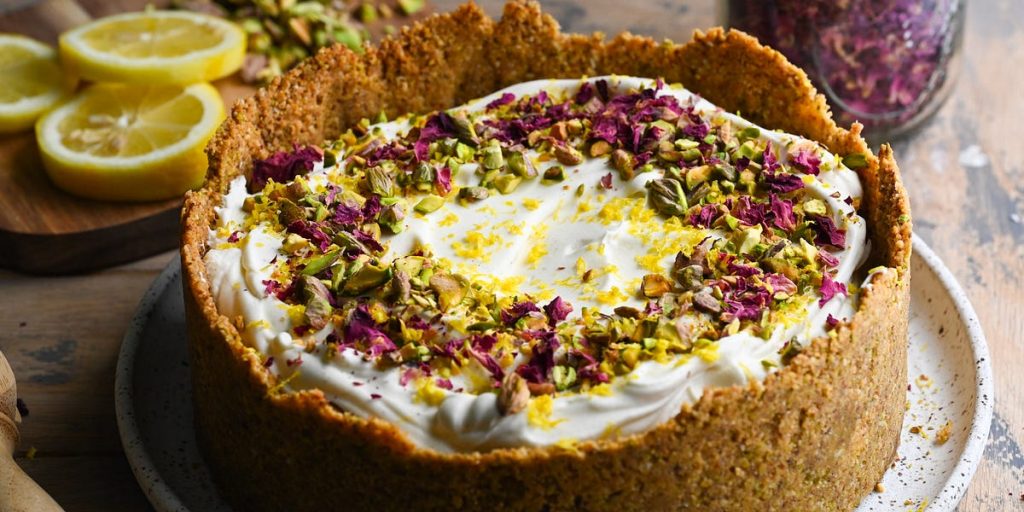
Persian Love Cake with rose and pistachio is one of those desserts that instantly captures attention even before a fork touches it. The name alone evokes romance, mystery, and celebration. What makes this cake so special is the way it combines fragrant spices, delicate floral notes, and nutty richness into a single slice. It’s a cake that has a story, and every bite feels like part of a tradition carried through centuries of Persian culture.
The Story Behind Persian Love Cake
Legends say that this cake was originally baked by a young woman who fell deeply in love with a Persian prince. She wanted to win his heart, so she crafted a cake infused with spices and flavors thought to inspire affection. Whether or not the story is fact, the cake’s reputation as a symbol of romance has followed it through generations. In Persian culture, food often carries meaning beyond taste, and this cake is often associated with weddings, engagements, and festive occasions.
The blend of rose water, cardamom, and nuts connects directly to Persian culinary heritage. These ingredients have been prized for centuries, not only for their taste but also for the way they reflect abundance and luxury. Eating this cake feels like stepping into a moment where food is more than nourishment, it is storytelling, tradition, and a gift of love.
The Unique Character of Persian Love Cake
What sets Persian Love Cake apart from other desserts is its layered personality. The texture has both density and tenderness, thanks to the combination of semolina or almond flour with butter or ghee. The flavor is equally striking, rose water offers a floral fragrance, cardamom adds warmth, and pistachios bring earthy nuttiness. A drizzle of syrup often soaks into the cake, locking in moisture and infusing sweetness without being overwhelming.
Visually, the cake is stunning. A dusting of powdered sugar or a glaze, topped with crushed pistachios and dried rose petals, makes it look like something straight out of a royal banquet. It is the kind of dessert that feels indulgent but also refined. Every element is carefully balanced so that no single flavor overpowers the rest.
Key Ingredients That Make the Cake Shine
The soul of this cake lies in its carefully chosen ingredients. Almond flour or semolina provides a slightly coarse, rich base. Butter or ghee gives it depth and fragrance. Sugar blends into the mixture to create sweetness without overshadowing the spices. Cardamom is a spice you immediately notice, and it works in harmony with the delicate perfume of rose water.
Pistachios are more than just decoration. They add crunch, color, and flavor that complete the experience. Rose petals, when used as garnish, are not only beautiful but also reinforce the floral notes inside the cake itself. Each ingredient feels intentional, and together they form a harmony that’s hard to replicate in other cakes.
Baking Persian Love Cake at Home
Making Persian Love Cake may look like a task reserved for special occasions, but it is surprisingly approachable. The process begins with creaming butter and sugar until light and fluffy, then folding in eggs, almond flour or semolina, and cardamom. Once the mixture is combined, rose water is added for its floral essence.
The batter bakes into a golden cake that fills the kitchen with aromas of spices and nuts. When it comes out of the oven, many bakers like to drizzle a simple syrup of sugar, rose water, and lemon to keep it moist and to heighten the flavors. The finishing touches, pistachios and rose petals, transform it from a simple cake into a dessert that tells a story.
Celebrations and Occasions for Persian Love Cake
Persian Love Cake is often served during weddings, engagements, and family gatherings. It symbolizes affection and togetherness, making it perfect for milestones that celebrate love. Beyond Persian culture, this cake has become popular worldwide because it resonates with people who appreciate food that feels meaningful and special.
I’ve often found that baking this cake for family or friends brings more than just compliments. It opens conversations about its origins, about Persian traditions, and about how food connects us to different cultures. Serving it at the end of a meal always feels like presenting a gift rather than just dessert.
Variations and Personal Touches
One of the beautiful things about this cake is how versatile it can be. Some versions emphasize almond flour, while others use semolina for a grainier texture. Syrup can be adjusted to make the cake sweeter or more subtly flavored. Some bakers add saffron threads for color and depth, while others skip the glaze and simply dust powdered sugar on top.
At times, I like to experiment by layering the cake with a thin spread of cream and topping it with more pistachios. On other occasions, I keep it traditional, focusing on the balance between cardamom and rose. The base recipe is forgiving enough that you can adapt it to your preferences while still staying true to its spirit.
Why Persian Love Cake Stands Out in Baking
Many cakes are rich, some are fragrant, and others are visually appealing, but Persian Love Cake combines all these qualities at once. It is not only delicious but also symbolic. Few desserts carry such a clear connection to history and tradition while still being adaptable to modern kitchens.
The balance of spice and floral elements also makes it unique. While many desserts rely on chocolate, vanilla, or fruit, this cake stands confidently on the elegance of rose, cardamom, and pistachio. It challenges the palate in a way that feels both new and timeless.
Serving and Presentation Ideas
Presentation plays a big role in how this cake is received. A simple round cake can be elevated by scattering crushed pistachios along the edges and placing dried rose petals in the center. For formal gatherings, a light glaze can give the surface shine, making it look as luxurious as it tastes.
Pairing the cake with tea enhances the overall experience. Black tea with cardamom, Persian saffron tea, or even a floral green tea complements the flavors perfectly. I’ve noticed that guests who try this cake with tea often pause, enjoying the moment as if they’re stepping away from the everyday rush into something memorable.
A Slice of Culture and Romance
What makes Persian Love Cake unforgettable is not just the taste but the way it feels tied to human emotion. Food often serves as a bridge between culture and memory, and this cake exemplifies that beautifully. It embodies hospitality, love, and artistry, making it far more than a simple dessert.
Baking it at home is more than following a recipe, it’s an experience that connects you to a tradition of celebration. Each slice holds layers of story, history, and craftsmanship. Sharing it with others always feels like offering a part of that heritage, even if you’re far from Persia itself.
Conclusion
Persian Love Cake with rose and pistachio is more than a dessert, it is a celebration of flavors, history, and affection. From its legendary origin to its role in modern kitchens, it continues to inspire bakers and delight those who taste it. The fragrance of cardamom, the perfume of rose water, and the crunch of pistachios create a harmony that makes the cake stand out in the world of baking.
Every time I prepare it, I’m reminded that food can be an expression of emotion as much as creativity. This cake tells a story of love and heritage, and it brings people together in ways that few desserts can. Whether served at a wedding, shared with family, or baked simply to enjoy at home, Persian Love Cake leaves a lasting impression that goes beyond sweetness, it speaks to the heart.