
 By
Sam
By
Sam
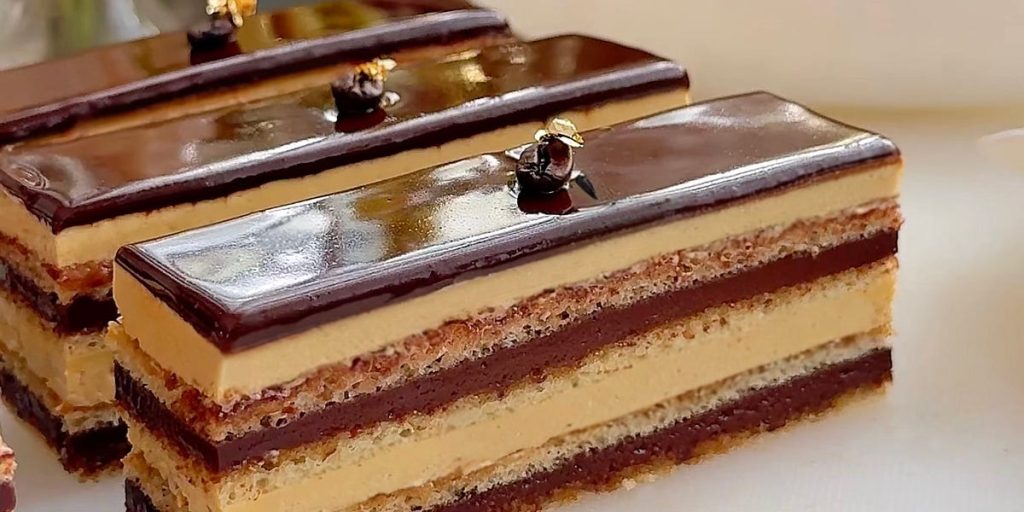
Opera Cake is one of those desserts that feels like a performance in itself. It is a layered masterpiece made with almond sponge, coffee syrup, buttercream, and chocolate ganache, all topped with a glossy glaze that almost looks like a polished stage. Every time I prepare it, I am reminded that baking can be more than a kitchen activity; it can be an art form. The cake is rich, refined, and unforgettable, yet with patience and care, it can be made at home.
A Cake with French Flair
Opera Cake originated in France, and it has long been admired as a symbol of elegance. The combination of coffee and chocolate creates a flavor profile that is deep and sophisticated, yet balanced enough to appeal to a wide audience. When I bake this cake, I feel as though I am connecting to a tradition of pastry that values precision and beauty. The Opera Cake is more than layers of sponge and cream, it is about bringing together techniques that demand respect and rewarding you with a dessert that looks and tastes spectacular.
Preparing the Joconde Sponge
The foundation of this cake is the almond sponge, often called joconde. It is light but sturdy, and it has a delicate nutty flavor that supports the richness of the other layers. To make it, I whisk together eggs, almond flour, and sugar until the mixture is pale and airy. Folding in flour gently ensures the sponge keeps its structure. The batter is spread thinly on a baking sheet so that it bakes into flat, flexible sheets that can be stacked without crumbling. The scent of almonds fills the kitchen as it bakes, creating a warm backdrop for the coffee and chocolate that will follow.
Coffee Syrup to Moisten the Layers
One of the most important elements in Opera Cake is the coffee syrup that moistens the sponge. Without it, the layers could feel dry, but with it, the cake becomes tender and flavorful. I brew strong espresso and combine it with sugar to create a syrup that soaks beautifully into the sponge. The bitterness of the coffee is softened by the sweetness of the sugar, and the result is a perfect balance that seeps into the almond sponge, making every bite aromatic and moist.
The Coffee Buttercream
Opera Cake is known for its rich coffee buttercream, which provides both flavor and texture. I prepare it by making a sugar syrup and whisking it into egg yolks to form a base, then gradually adding softened butter until the mixture becomes smooth and silky. Finally, I add coffee extract or espresso, which gives the buttercream its depth. The texture is luxurious, and it spreads easily over the sponge. When layered, it forms a smooth ribbon of flavor that ties the entire cake together.
Rich Chocolate Ganache
The chocolate component of Opera Cake comes in the form of a ganache that sits between the layers and forms part of the topping. I use high-quality dark chocolate, melting it with cream until it becomes glossy and smooth. The ganache provides richness that balances the sweetness of the buttercream and enhances the coffee flavor. Spreading it across the sponge layers is a satisfying step, as it creates a dark, shiny surface that promises indulgence in every slice.
Assembling the Layers
Once all the components are ready, the real artistry begins. The sponge is trimmed into neat rectangles, then layered with coffee syrup, buttercream, and ganache. The process is methodical: sponge, syrup, buttercream, sponge, syrup, ganache, sponge, syrup, buttercream, and finally the glaze. As the layers build, the cake begins to take on its characteristic height and elegance. Each layer is thin, but together they create a structure that is impressive to look at and even more delightful to taste.
The Glossy Chocolate Glaze
No Opera Cake is complete without its gleaming chocolate glaze. I pour it carefully over the final layer of buttercream, letting it spread evenly across the surface. The glaze sets to a mirror-like finish, giving the cake its polished look. Sometimes, I inscribe the word “Opera” on top in chocolate, a nod to the traditional presentation. The final result looks like a dessert you might expect to see in a fine French patisserie, but it comes with the satisfaction of being made at home.
Slicing into the Cake
Cutting an Opera Cake is almost as rewarding as eating it. A sharp knife slides cleanly through the layers, revealing the alternating bands of sponge, cream, and ganache. Each slice looks like a work of art, with its precise layers standing tall. Serving it feels like presenting a piece of culinary craftsmanship. The flavors combine harmoniously, the nuttiness of the sponge, the boldness of the coffee, and the richness of the chocolate, all balanced by the smooth texture of the buttercream.
The Patience Behind the Process
Opera Cake is not the kind of dessert you can rush. It requires time for each component to be prepared and cooled, time for the layers to set, and time for the glaze to firm up before slicing. I often spread the work over two days, baking the sponge and preparing the syrup and ganache on the first day, then making the buttercream and assembling the cake on the second. This approach not only makes the process less overwhelming but also allows the flavors to deepen as the cake rests.
Occasions Worthy of an Opera Cake
This cake is best reserved for occasions where its elegance can be appreciated. I often bake it for birthdays, anniversaries, or dinner parties where I want to make a statement. Its layered appearance and sophisticated flavor make it feel special, something more than an everyday dessert. Sharing it with others always sparks conversation, and guests are often surprised to learn it can be made at home without professional training, just patience and care.
Tips That Help Along the Way
Over time, I have learned that small tips can make the process smoother. Lining the baking sheet with parchment ensures the sponge releases cleanly. Brushing the coffee syrup evenly prevents soggy patches. Chilling the cake briefly between layers helps them set and makes the final assembly easier. Using a long, sharp knife warmed in hot water gives the cleanest slices. These little details may seem minor, but they add up to a cake that looks polished and tastes even better.
Variations to Explore
While the classic Opera Cake uses coffee and chocolate, there are variations worth trying. Some bakers use green tea instead of coffee for a delicate twist, or raspberry for a fruity layer that cuts through the richness. I once tried a hazelnut version, replacing some of the almond flour in the sponge with hazelnut flour, and it added a deeper, nuttier flavor that paired beautifully with the chocolate. These experiments show that while the traditional Opera Cake is timeless, there is room for creativity.
Why I Keep Returning to Opera Cake
What keeps me coming back to Opera Cake is the combination of precision and reward. It challenges me as a baker, demanding focus and care at every stage, yet the result is a dessert that feels worth every effort. It is elegant without being overly decorated, indulgent without being cloying. Sharing it with family and friends makes the process even more worthwhile, because a cake like this is meant to be admired, enjoyed, and remembered.
The Joy of Tradition and Craft
Opera Cake is a reminder of what makes baking so meaningful. It is about more than just combining ingredients; it is about creating something that carries tradition, artistry, and care. Each layer reflects a part of the process, from the almond sponge to the glossy glaze. Together, they form a dessert that feels both classic and personal. For me, making Opera Cake is not just about the final product, but about the journey it takes to get there.
Conclusion
Elegant Opera Cake with Chocolate and Coffee Layers is a dessert that embodies refinement and artistry. From the almond sponge and coffee syrup to the buttercream, ganache, and glaze, every element contributes to its balance of flavors and textures. Baking it at home may take time and patience, but the result is a cake that feels like a true achievement. Sharing it with others adds to the joy, making it more than a dessert, it becomes an experience. Every slice carries with it a touch of French tradition, a bit of personal craftsmanship, and the satisfaction of creating something beautiful from start to finish.