
 By
Sam
By
Sam
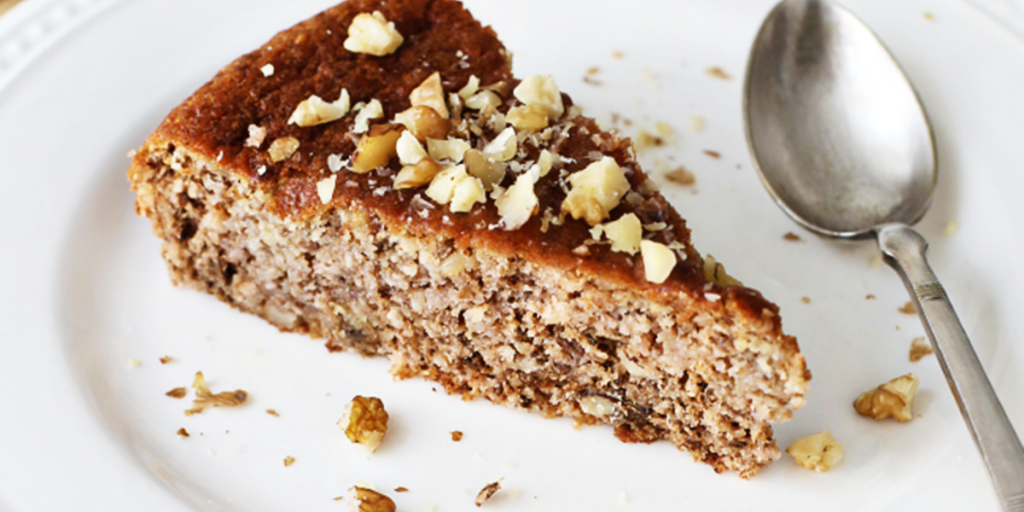
Greek desserts have a way of blending rich flavors with deep tradition, and one cake that truly represents this is Karidopita, or Greek Honey Walnut Cake. It is a dessert that has been shared across generations, passed down from family kitchens, and still holds a special place on Greek tables today. The moment I tasted it, I understood why it is so cherished. The combination of earthy walnuts, warm spices, sweet honey, and a moist syrup-soaked crumb creates a cake that is both rustic and luxurious.
The Roots of Karidopita
Karidopita comes from the Greek word “karidia,” meaning walnuts, and “pita,” which refers to pie or cake. Walnuts have always been abundant in Greek cooking, often paired with honey, spices, and grains in both savory and sweet dishes. This cake reflects the resourcefulness of traditional Greek households, where simple pantry staples were transformed into comforting desserts.
What makes Karidopita stand out from other nut cakes is the way it is drenched in syrup after baking. Greek cuisine often incorporates syrup-soaked sweets, from baklava to galaktoboureko, and this cake follows that same tradition. The syrup not only infuses sweetness but also gives the crumb its signature texture, moist yet firm, holding together beautifully without feeling heavy.
The Role of Walnuts in Greek Baking
Walnuts have long been treasured in Greek culture, both as food and as a symbol. In ancient times, they were associated with fertility, wisdom, and abundance. Their deep, earthy flavor pairs perfectly with honey and spices, which explains why they feature so prominently in Greek desserts.
In Karidopita, walnuts are ground or finely chopped and folded into the batter, giving the cake a nutty texture that contrasts with the smoothness of the syrup. They also add richness, which means the cake doesn’t need butter-heavy frosting or fillings to feel indulgent. Just a sprinkling of extra walnuts on top can make the presentation beautiful and rustic at the same time.
Spices That Warm the Soul
No Karidopita is complete without the addition of warm spices. Cinnamon is always present, while cloves and nutmeg often make an appearance as well. These spices give the cake a distinctive aroma and flavor profile that reminds me of autumn evenings or festive gatherings. The spices blend seamlessly with the walnuts, bringing out their natural sweetness and adding depth to every bite.
The balance of spices is important. Too much clove can overpower, while too little cinnamon can leave the cake feeling flat. A well-made Karidopita feels like a warm embrace, the kind of cake you want to enjoy slowly with a cup of strong coffee or tea.
The Signature Honey Syrup
The syrup is what sets this cake apart and makes it unforgettable. Typically made with water, sugar, honey, lemon peel, and sometimes a stick of cinnamon, the syrup is simmered until it thickens slightly. Once the cake is baked and still warm, the syrup is poured over it, allowing the sponge to drink it in.
This step transforms the cake from something ordinary into something extraordinary. The syrup seeps through every crumb, ensuring that the cake stays moist for days. Unlike some frosted cakes that dry out quickly, Karidopita almost tastes better after it sits overnight, allowing the flavors to deepen and mingle.
The Process of Making Karidopita
Making this cake involves a series of steps that are straightforward yet require patience. It begins with whisking eggs and sugar until light, then slowly adding oil or melted butter for richness. Ground walnuts and flour, often combined with semolina for texture, are folded in along with baking powder and spices.
Once the batter is spread into a baking pan, it bakes until golden brown and fragrant. The syrup is then poured evenly over the cake, usually while one component is warm and the other is cool. This contrast helps the cake absorb the syrup better. After resting for a few hours, the cake is sliced into squares or diamonds and served, often with a dollop of whipped cream or a scoop of ice cream.
Variations Across Greece
While the basic recipe remains the same, variations of Karidopita exist throughout Greece. Some families add a splash of brandy or ouzo to the batter for extra depth, while others flavor the syrup with orange zest instead of lemon. In certain regions, bakers incorporate breadcrumbs into the cake for a slightly denser texture.
What unites all these variations is the spirit of hospitality that surrounds the cake. Whether served at a holiday table, a family gathering, or a simple afternoon coffee break, Karidopita is always about sharing. It is not a flashy cake meant to impress with looks alone; it is a cake that wins hearts through taste and comfort.
Pairing Karidopita with Drinks
One of my favorite things about Karidopita is how well it pairs with drinks. Its richness makes it an ideal companion for strong beverages. In Greece, it is often enjoyed with a small cup of Greek coffee, the bitterness balancing the cake’s sweetness. It also pairs beautifully with black tea, spiced chai, or even dessert wines like Muscat or Commandaria.
For a modern twist, I’ve served it with espresso or cappuccino, and it never disappoints. The cake’s nutty base and sweet syrup stand up to the boldness of coffee in a way that feels timeless and comforting.
Why Karidopita Feels Special
What makes this cake so memorable is not just its taste but the way it embodies Greek culture. It is a dessert rooted in tradition, made from simple ingredients, yet it carries layers of meaning. It is celebratory without being complicated, sweet without being cloying, and rustic while still elegant.
Whenever I make Karidopita, it feels like I am connecting with generations of bakers who relied on what they had to create something lasting. Walnuts, honey, spices, and flour might sound ordinary, but together they become a cake that feels extraordinary.
Tips for Success
The key to a perfect Karidopita lies in the details. Toasting the walnuts before adding them to the batter brings out their flavor. Sifting the flour with the baking powder and spices ensures even distribution. And when it comes to the syrup, patience is everything, rushing can result in a watery mixture that won’t soak the cake properly.
Another tip is to let the cake rest after adding the syrup. While it is tempting to cut into it right away, giving it time allows the flavors to deepen and the texture to settle. The difference between a freshly soaked slice and one that has rested overnight is remarkable.
A Dessert for All Seasons
Although Karidopita is often associated with holidays and special occasions, I find it works beautifully year-round. In winter, it feels like a cozy treat served with spiced tea. In summer, it pairs well with fresh fruit and a cool glass of white wine. Its versatility makes it a cake I can return to again and again, always finding a new way to enjoy it.
Final Thoughts
Greek Honey Walnut Cake, or Karidopita, is more than just a dessert. It is a celebration of tradition, flavor, and the joy of sharing food with others. With its nutty crumb, warm spices, and honey syrup, it offers a taste of Greece in every bite. It may not have the elaborate decorations of other cakes, but it carries a charm that feels timeless.
Whenever I bake it, the aroma of cinnamon and walnuts fills the kitchen, reminding me that baking is not just about creating something sweet but about creating something meaningful. Karidopita is a cake that brings people together, one slice at a time, and for that reason alone, it has earned its place among my most beloved recipes.