
 By
Sam
By
Sam
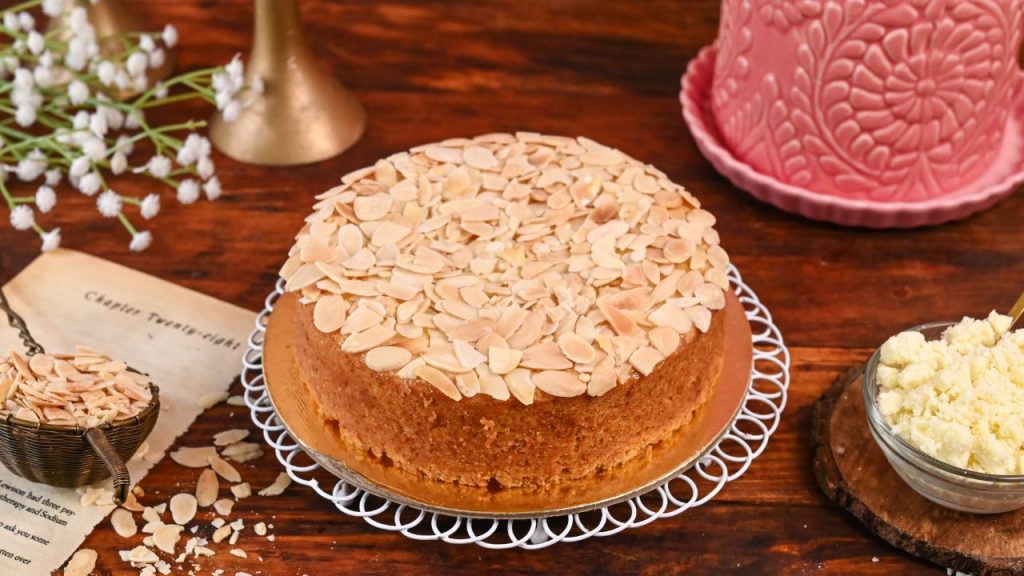
Indian sweets have always held a special place in celebrations, festivals, and everyday life, but there is one cake that captures the very essence of Indian flavors while carrying the structure of a classic Western bake. That cake is the Indian Cardamom Mawa Cake. It is fragrant, rich, and deeply nostalgic, a creation that blends the warmth of cardamom with the decadence of mawa, or khoya, resulting in a dessert that feels both familiar and unique. Every time I bake it, I find myself surrounded by the aroma of roasted nuts and sweet milk, reminding me why this cake has become such an icon in Parsi bakeries and home kitchens alike.
The Origins of Mawa Cake
The story of Mawa Cake goes back to the days of the Irani cafés in Mumbai. These cafés, run by Parsi immigrants, became famous for their teatime treats that mixed Persian influences with local Indian ingredients. Mawa Cake quickly rose to prominence, not just as a bakery item but as a symbol of comfort. It wasn’t overly sweet, yet it carried a richness that made it irresistible with a hot cup of chai.
Mawa, the heart of the cake, is essentially reduced milk that has been slowly simmered until most of the water evaporates, leaving behind a dense, grainy solid. It is widely used in Indian sweets like gulab jamun, peda, and barfi. In cake form, it provides a fudgy texture and depth of flavor that is unlike anything else. Pairing it with cardamom, one of the most beloved spices in Indian cooking, turned the cake into a masterpiece.
The Magic of Cardamom
Cardamom is not just another spice; it is one of the most fragrant and versatile flavorings in Indian kitchens. Its floral, slightly citrusy notes elevate both savory and sweet dishes. In Mawa Cake, cardamom balances the richness of the milk solids and butter, cutting through the density with a light, aromatic freshness.
I like to use freshly ground cardamom pods when baking this cake. Crushing them just before adding ensures the oils are released at their peak, giving the cake an intoxicating aroma. While pre-ground cardamom works in a pinch, there is nothing like the intensity of grinding it yourself. The spice weaves through the cake so beautifully that each bite feels like a small burst of perfume and sweetness combined.
Making Mawa for the Cake
Though store-bought mawa is easily available in many Indian markets, I prefer making it at home when I have the time. It begins with full-fat milk simmered slowly for hours, stirred constantly so it doesn’t scorch, until it reduces into a thick, solid mass. This process is time-consuming, but the reward is worth it. Fresh mawa has a milky sweetness and a depth of flavor that enhances the cake in ways that packaged versions often cannot match.
For busy days, using store-bought mawa is perfectly fine, but softening it slightly and breaking it down before mixing ensures it blends well into the batter. The mawa’s richness is what sets this cake apart from a simple sponge or butter cake. It adds body, tenderness, and that distinctive milky undertone that makes the cake so special.
The Structure of the Cake
Unlike frosted cakes that rely on creams or glazes for indulgence, Mawa Cake is modest in appearance. It is usually baked in a round tin, golden on top, sometimes garnished with slivered almonds, cashews, or pistachios. The texture is slightly dense, yet soft and moist. It doesn’t crumble like a chiffon cake nor feel as heavy as a pound cake.
The combination of butter, sugar, eggs, flour, mawa, and cardamom creates a cake that is perfectly balanced. Each ingredient plays a role, eggs provide lift, mawa adds richness, butter brings tenderness, and cardamom ties everything together. The result is a cake that doesn’t need frosting to shine. A sprinkle of nuts or even a dusting of powdered sugar is enough to complete its presentation.
A Teatime Tradition
One of the reasons I love baking this cake is that it fits seamlessly into the rhythm of daily life. In India, teatime is more than just a break; it is a ritual. The pairing of Mawa Cake with a cup of hot chai or coffee feels timeless. The slightly sweet cake balances the bitterness of the drink, creating a moment of pure comfort.
This is not a cake reserved for birthdays or weddings. It is the kind of cake you bake to share with neighbors, to enjoy with family on a quiet evening, or to serve unexpected guests. That accessibility is part of its charm. It doesn’t demand an occasion; it creates one.
Variations on the Classic
While the traditional version keeps things simple with cardamom and nuts, bakers across India have experimented with different additions. Some add saffron strands soaked in warm milk for a luxurious touch. Others incorporate raisins or dried figs for a bit of chewiness and sweetness. A few even drizzle rose syrup over the baked cake, giving it a floral note that makes it feel festive.
For those who love chocolate, a handful of cocoa powder blended into the batter creates a chocolate-cardamom version that feels both modern and nostalgic. Personally, I enjoy keeping it traditional most of the time, but on special occasions, experimenting with these variations brings new life to a classic recipe.
Pairing with Drinks and Meals
While chai is the most natural companion for Mawa Cake, I’ve also enjoyed it with strong black coffee. The contrast between the robust bitterness of coffee and the gentle sweetness of the cake is delightful. In warmer months, pairing it with iced tea or even a chilled glass of saffron milk makes for a refreshing combination.
Interestingly, Mawa Cake also works beautifully as part of a brunch spread. Its richness pairs well with fresh fruit, yogurt, and even savory items like spiced potatoes or sandwiches. It bridges the gap between dessert and snack, making it a versatile option for gatherings.
The Baking Experience
Every time I bake this cake, I am struck by how comforting the process feels. Creaming butter and sugar until light and fluffy, folding in the mawa, cracking open the cardamom pods, and inhaling their aroma, each step carries a sense of connection to tradition. The moment the cake begins to rise in the oven, the kitchen fills with a fragrance that is impossible to forget.
One detail I have learned is to avoid overbaking. Because the cake is enriched with mawa, it can dry out if left too long in the oven. I keep a close eye toward the end, waiting for the golden top and the tester that comes out just clean. Resting the cake before slicing also helps retain its tenderness.
Why This Cake Matters
What makes Indian Cardamom Mawa Cake truly special is its ability to bridge cultures. It is a cake born out of fusion, blending the concept of Western-style cakes with the soul of Indian sweets. It reflects the history of communities, the spirit of hospitality, and the love of simple but meaningful flavors.
For me, it represents a kind of comfort food that is timeless. It is not extravagant, but it feels luxurious. It is not complicated, yet it feels layered. Most importantly, it reminds me that some of the best desserts in the world are born from simple ingredients treated with care and respect.
Tips for Perfecting the Cake
Using high-quality mawa is essential for the best flavor. Toasting the nuts before sprinkling them on top enhances their crunch and aroma. Grinding the cardamom fresh makes a noticeable difference in fragrance. And most importantly, letting the cake cool slightly before cutting ensures clean slices that hold their shape.
This cake also stores well. Wrapped properly, it stays moist for several days, and the flavors often deepen after resting. In fact, I find that the cake tastes even better on the second day, once the cardamom has had time to infuse fully into the crumb.
Final Thoughts
Indian Cardamom Mawa Cake is more than just a sweet treat. It is a piece of history, a cultural treasure, and a reminder of how flavors can tell stories. With its blend of warm cardamom, rich mawa, and tender crumb, it continues to delight across generations and borders.
Every slice carries the essence of Indian kitchens, fragrance, warmth, and hospitality. Baking this cake is not just about creating dessert; it is about preserving a tradition and sharing it with others. Whether served with chai on a rainy afternoon or placed at the center of a festive table, this cake always manages to bring joy.