
 By
Sam
By
Sam
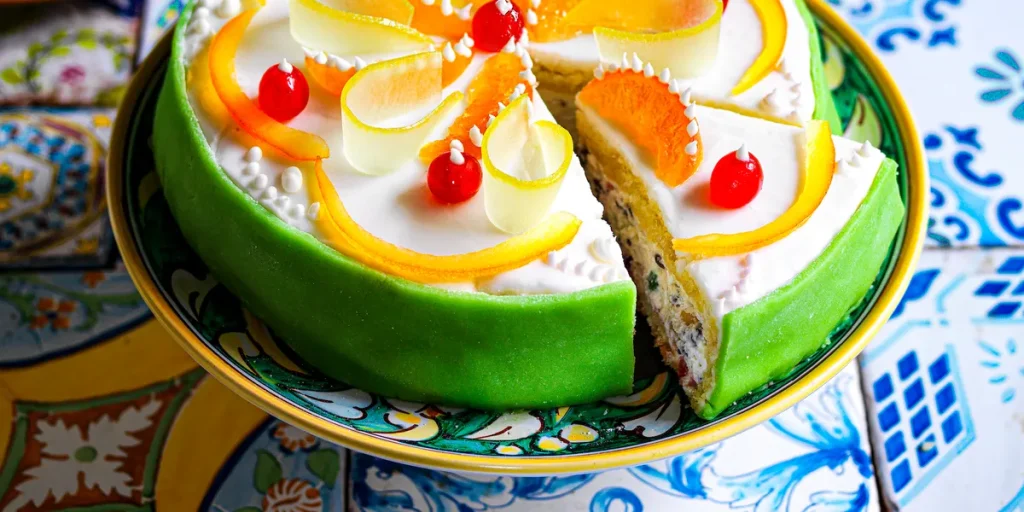
Cassata is one of those cakes that feels more like a celebration than just a dessert. Its bright colors, rich flavors, and elaborate decoration make it instantly stand out on any table. Whenever I make it, I find myself pausing to admire the layers of creativity involved, from the ricotta filling to the jewel-like candied fruits on top. It’s a cake that captures the spirit of Sicily, with its history shaped by diverse cultures and its flavors reflecting the abundance of the island.
A Cake Rooted In Sicilian Tradition
Cassata has a history that goes back many centuries, and its origins are deeply tied to Sicily’s cultural blend. Arab influences brought sugar, citrus, and almonds to the island, while later Spanish rule introduced chocolate and more refined baking techniques. What emerged was a cake that fused these traditions into something unmistakably Sicilian. The word cassata is thought to come from the Arabic “qas’ah,” referring to a bowl used in its preparation. Over time, the cake became associated with Easter and other festive occasions, standing as a symbol of abundance and joy.
The Distinctive Look Of Cassata
When you see a cassata, it’s hard not to be impressed by its vibrant appearance. The outer layer is often made of green marzipan panels, alternating with sponge cake and sometimes sugar glaze. The top is decorated with candied fruits in vivid reds, oranges, and yellows, arranged in almost mosaic-like patterns. It is a cake that demands attention, both for its design and for the flavors hidden beneath the surface. The presentation alone makes it clear that this is not just a dessert but a work of art that brings together centuries of tradition.
The Role Of Ricotta In Cassata
At the heart of cassata is ricotta, a cheese that is both creamy and light, making it perfect for the filling. Fresh ricotta is mixed with sugar until smooth, then combined with chocolate shavings, candied citrus peel, or sometimes pistachios. This mixture is layered between slices of sponge cake that have often been brushed with liqueur or fruit syrup. The contrast between the soft ricotta filling and the tender cake creates a texture that is rich but never heavy. Every bite feels indulgent yet balanced, with the sweetness of the ricotta playing beautifully against the tang of candied fruits.
Building Layers Of Flavor
The process of making cassata is all about layering. First comes the sponge cake, usually cut into thin slices to form both the base and the walls of the cake. These slices are often brushed with a mixture of liqueur and citrus juice, giving them both flavor and moisture. Next comes the ricotta filling, spread generously and evenly to ensure each slice has the right balance. More layers of cake are added, and the whole dessert is often finished with marzipan and a glossy sugar glaze. Finally, candied fruits are carefully arranged on top, creating a colorful crown that completes the cake.
Why Cassata Feels Like A Celebration
This is not the kind of cake you make casually on a weekday evening. Cassata takes time, patience, and attention to detail. It is usually prepared for Easter, weddings, or major family gatherings. That is part of its charm, it brings people together, not just to eat but also to share in the anticipation of its preparation. Whenever I prepare cassata for a gathering, I notice how everyone leans in as the cake is placed on the table. The bright colors immediately spark conversation, and cutting into it feels like unveiling a treasure.
Variations Across Sicily
Like many traditional desserts, cassata has regional variations. In Palermo, the classic version with marzipan and candied fruits dominates, while in Catania and other areas, simpler versions exist. Some cassatas are made in a roll, where sponge cake is spread with ricotta filling and then rolled up, much like a Swiss roll. In Messina, a baked version is popular, resembling more of a cheesecake with ricotta as the main ingredient. These differences show how flexible the recipe can be while still maintaining the essence of what makes cassata unique.
The Art Of Decorating Cassata
One of the most enjoyable parts of making cassata is the decoration. The marzipan panels, often tinted green, are smoothed around the sides of the cake, creating a striking contrast with the white sugar glaze on top. Then comes the fun of arranging candied fruits. Cherries, orange slices, and even whole candied citrus peels are placed in patterns that vary from simple rings to elaborate floral designs. I find that no two cassatas ever look exactly alike, which makes each one a unique expression of creativity.
The Balance Of Flavors
What makes cassata so remarkable is the way it balances sweetness with freshness. The ricotta keeps the filling light, while the candied fruits and sugar glaze provide bursts of concentrated flavor. The marzipan adds a nutty undertone, and the liqueur-soaked sponge layers ensure every bite has depth. It is a cake that feels both rich and refreshing, never overwhelming despite its elaborate ingredients. Each slice tells a story of Sicily’s layered history, with influences from many cultures blending seamlessly into one harmonious whole.
My Experience Making Cassata At Home
When I first attempted cassata, I underestimated the amount of work it required. Preparing the ricotta filling was straightforward, but slicing and assembling the sponge layers took careful attention. The most challenging part was arranging the marzipan around the cake without it tearing, but with patience and practice, it became easier. What surprised me most was how forgiving the cake turned out to be. Even if the decoration wasn’t perfect, the flavors came together beautifully, and the final result always impressed my guests. Over time, I have come to appreciate the process as much as the outcome, since every step feels like part of a tradition that has been refined over centuries.
Serving Cassata
Cassata is best served chilled, which allows the flavors to meld together. I like to cut generous slices so that each one shows off the layers of sponge, ricotta, and marzipan. It pairs wonderfully with espresso, as the bitterness of the coffee balances the sweetness of the cake. During family gatherings, I often notice people going back for a second slice, not because they are still hungry but because the combination of flavors is too tempting to resist.
Modern Twists On Cassata
Although the traditional version remains beloved, modern bakers have introduced their own variations. Some replace candied fruits with fresh berries, giving the cake a lighter, fresher profile. Others experiment with chocolate or hazelnut spreads in the filling, appealing to contemporary tastes. I have even seen miniature cassatas, designed as individual servings rather than one large cake. These innovations keep the tradition alive while allowing new generations to discover cassata in ways that feel accessible and exciting.
Why Cassata Remains Timeless
Despite changing tastes, cassata endures because it represents more than just dessert. It embodies Sicilian hospitality, creativity, and celebration. Every slice carries with it a story of the island’s past, from Arab influences to modern Italian identity. For me, making cassata is a way to connect with that history while also creating new memories with family and friends. It is the kind of cake that lingers in your mind long after the last slice has been eaten, not just because of its flavor but because of the experience surrounding it.
Conclusion
Italian Cassata Cake with Ricotta and Fruit is a masterpiece of flavor, history, and artistry. Its layers of sponge, sweetened ricotta, marzipan, and candied fruit come together to form a dessert that feels festive and meaningful. Making it requires patience, but the reward is far greater than just the finished cake. It is about the joy of creating something beautiful, the pride of carrying forward a tradition, and the delight of sharing it with others. Every time I make cassata, I am reminded that some desserts are more than recipes, they are celebrations of culture, heritage, and the people who gather to enjoy them.