
 By
Sam
By
Sam
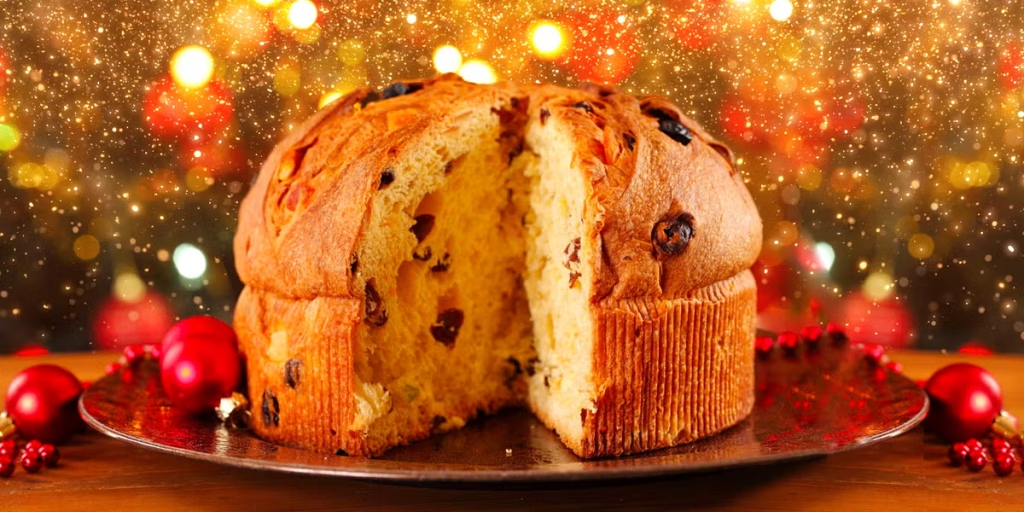
Panettone is one of those cakes that has a way of making the holiday season feel complete. It is light, airy, fragrant, and studded with candied fruits and raisins that almost melt into the dough as it bakes. Whenever I make it at home, I feel like I am continuing a tradition that has been passed down through centuries, one that connects families across Italy and far beyond. For many, this holiday cake is as symbolic of Christmas as a decorated tree or festive lights, and once you taste it, you understand why it holds such an important place at the table.
The Origins Of Panettone
This cake has its roots in Milan, where it first appeared several hundred years ago. The exact story of how it came to be is surrounded by legend. Some say a baker’s apprentice created it by accident when he used leftover dough enriched with butter, sugar, and dried fruits. Another tale speaks of a nobleman who baked it to impress his beloved. No matter which story you believe, the fact remains that panettone quickly grew into one of the most beloved holiday cakes in Italy. Its tall, dome-like shape and delicate texture set it apart from simpler breads, and it became a luxury that families looked forward to each December.
The Craft Behind The Cake
What makes panettone fascinating is how much skill and patience it demands. Unlike quick breads or simple cakes, it requires a very long fermentation process. The dough is often left to rise multiple times, sometimes over a span of several days. Bakers treat it almost like a living thing, nurturing it until it achieves the perfect lift. This method is what creates that feathery crumb structure, where each slice practically melts in your mouth. The balance between the rich ingredients and the light texture is what makes it so special.
Ingredients That Define Panettone
The flavor of panettone comes from its carefully chosen ingredients. Eggs and butter provide richness, while sugar adds sweetness without overpowering the delicate taste. The addition of raisins, candied orange peel, and sometimes citron gives bursts of flavor that keep every bite interesting. A touch of vanilla or even a hint of citrus zest adds fragrance that lingers as the cake bakes. Modern variations sometimes include chocolate, chestnuts, or even pistachios, but the traditional fruit-filled version remains the heart of the holiday celebration.
Baking Panettone At Home
Making panettone in a home kitchen can feel like a test of patience, but the reward is worth every step. The process starts with preparing a sponge or starter that helps develop flavor and texture. After mixing in flour, eggs, sugar, and butter, the dough is left to rise until it doubles. At this point, dried fruits and candied peel are folded in, ensuring they are evenly distributed. The dough then rests again before being shaped and placed into tall paper molds. These molds are part of the cake’s identity, giving panettone its iconic dome shape. The final rise is often the longest, sometimes overnight, and the anticipation builds as the dough slowly reaches the top of the mold. Baking it fills the entire kitchen with a sweet, buttery aroma that signals the holiday season has officially arrived.
The Ritual Of Serving Panettone
In Italy, panettone is rarely just eaten plain. It is usually enjoyed as part of a larger ritual. Slices are often served with a glass of sweet wine, a cup of espresso, or even a spoonful of mascarpone cream on the side. In some homes, it is toasted lightly, which brings out the flavor of the candied fruits and gives the butter-rich dough a slightly crisp edge. It is common for families to gather around the table, cutting the cake into generous wedges and sharing stories while savoring the treat. The experience is as much about connection as it is about taste.
Panettone Around The World
Although panettone originated in Milan, it has become a symbol of Christmas in many countries. Italian immigrants carried the tradition with them, and today it is especially popular in South America. In Argentina and Brazil, panettone is part of nearly every household’s holiday feast. The versions there may include local fruits or flavors, but the spirit of the cake remains the same. Even in North America and Europe, bakeries stock shelves with panettone in festive boxes, making it a go-to gift for friends and family. Its ability to travel well and stay fresh for weeks has contributed to its worldwide popularity.
A Celebration Of Patience And Craft
What stands out about panettone is how it reflects the values of time, care, and tradition. Unlike cakes that can be whipped up in an hour, this one requires planning and respect for the process. In a world that often rushes everything, panettone slows you down. It reminds you that the most meaningful foods are not just about flavor but also about the journey of making them. Each stage, from kneading to proofing to baking, becomes a celebration in itself.
Variations And Creative Twists
While the classic panettone is filled with raisins and candied peel, many bakers experiment with new flavors. Chocolate chip panettone has become a favorite for those who prefer a richer, sweeter version. Pistachio cream-filled panettone is popular in southern Italy, offering a nutty twist. Some bakers add liqueurs like rum or amaretto to deepen the flavor. Each variation keeps the spirit of the original but adds a modern touch that appeals to changing tastes. I have tried a few of these versions myself, and while they are delicious, I always find myself returning to the traditional fruit-filled one during the holidays.
Why Panettone Feels Special
The reason this cake holds such a deep connection to the holidays goes beyond taste. It represents family, tradition, and the anticipation of Christmas itself. Every step of making it builds excitement, and every slice shared brings joy. It is a dessert that connects generations, with grandparents teaching grandchildren how to prepare the dough, and families gathering to enjoy it together. Even if you only bake it once a year, the memory of that experience lasts long after the holiday season ends.
My Own Experience With Panettone
The first time I tried baking panettone at home, I underestimated the time it would take. I started in the morning thinking it would be ready by evening, but by the time the dough had risen and rested, it was past midnight. The cake turned out tall and golden, and despite the exhaustion, I remember cutting into it and feeling proud of every moment spent waiting. Since then, I plan ahead, usually starting the process a day or two before I want to serve it. Each year, I refine my method, and each year it feels a little more rewarding.
Pairing Panettone With Other Flavors
This cake pairs beautifully with a wide range of flavors. A glass of sweet Moscato d’Asti brings out the citrus notes, while espresso balances its richness. I sometimes serve it with a dollop of mascarpone whipped with a little sugar and lemon zest, which complements the cake’s texture. For breakfast during the holidays, a slice of toasted panettone with butter and honey feels indulgent yet comforting. These pairings make it versatile, fitting seamlessly into any moment of the season.
Storing And Enjoying Leftovers
Panettone has a long shelf life compared to many other cakes, which makes it practical during the holidays. If stored properly in its box or wrapped tightly, it can last for weeks. Leftovers can be repurposed into delicious desserts. Bread pudding made with panettone is incredibly flavorful, as the candied fruit adds depth to every bite. French toast using thick slices of panettone is another way to enjoy it beyond the holiday table. I find that even when it starts to dry out, it transforms beautifully into something new.
Bringing Panettone Into Your Holiday Traditions
Baking or buying panettone is more than just enjoying a dessert; it is a way of embracing a tradition that has spanned centuries. Whether you serve it at a family dinner, gift it to a friend, or enjoy it with coffee on a quiet morning, it becomes part of the holiday rhythm. It teaches patience, celebrates craftsmanship, and above all, brings people together. For me, it has become a symbol of slowing down and appreciating the moments that make the season meaningful.
Conclusion
Italian Panettone holiday cake is more than a seasonal treat; it is a living tradition that carries history, culture, and joy in every slice. From its Milanese origins to its global popularity, it stands as a testament to the power of food in shaping memories and traditions. Baking it requires patience, but the reward is unmatched, offering not just a delicious dessert but also an experience that lingers. Whenever I make or share panettone, I feel like I am part of a story much bigger than myself, one that connects me to generations before and those yet to come. And that, in itself, is what makes this cake so extraordinary.