
 By
Sam
By
Sam
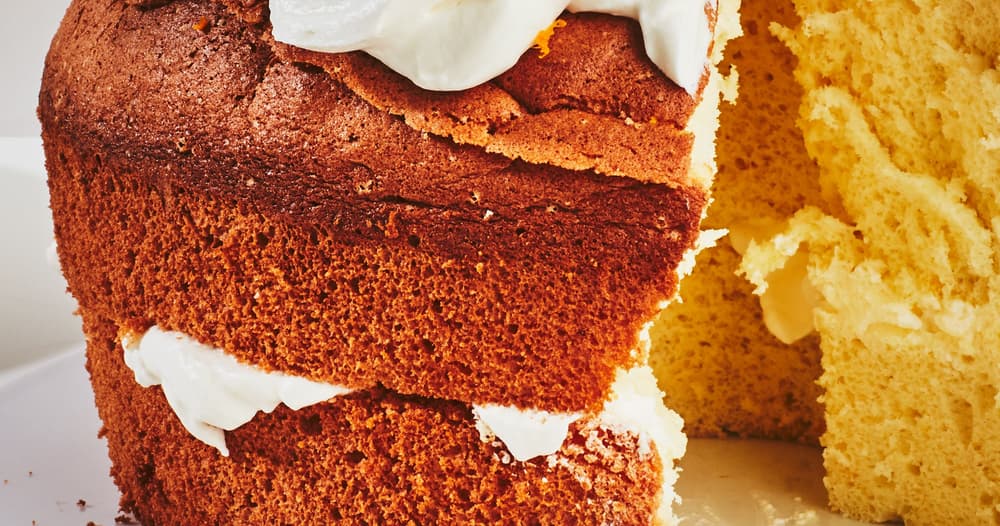
Orange chiffon cake with citrus glaze is one of those desserts that manages to feel both indulgent and light at the same time. The airy texture of the chiffon layers paired with the bright zing of oranges makes every bite refreshing, while the glossy glaze adds just the right amount of sweetness to tie it all together. It’s the kind of cake that doesn’t overwhelm but still leaves a lasting impression, the sort of dessert that makes people pause mid-bite and smile.
The Beauty of Chiffon Cake
Chiffon cakes are known for their delicate, cloud-like texture. Unlike dense butter cakes, chiffon relies on whipped egg whites folded into the batter to give it lift and softness. The result is a cake that feels light as air yet flavorful enough to stand on its own. Adding orange into the mix gives it a burst of freshness that makes the cake feel bright and vibrant, almost like sunshine baked into sponge form.
I love how chiffon cakes strike a balance between simplicity and elegance. They don’t need heavy frostings or elaborate decorations to shine. With just a drizzle of glaze or a sprinkle of zest, they look beautiful and taste even better. That’s part of the charm, it’s a cake that speaks for itself without too much fuss.
Why Orange Works So Well
Orange is one of those fruits that instantly wakes up your senses. The combination of sweetness and tang translates beautifully into baked goods, cutting through richness while adding depth. The zest provides aromatic oils that perfume the batter, while the juice brings moisture and flavor. Together, they create a cake that tastes fresh and lively, not overly sweet.
When paired with the airy structure of chiffon, orange transforms the cake into something special. It’s not heavy or overly rich, which makes it perfect for warmer days, afternoon teas, or celebrations where you want a dessert that feels light but still festive.
The Role of Citrus Glaze
A citrus glaze turns this cake from simple to striking. It’s just a mixture of powdered sugar and fresh juice whisked until smooth, but it creates a glossy finish that clings to the cake in the most inviting way. I love using a blend of orange and lemon juice for the glaze. The lemon adds a little extra tang that balances the sweetness, while the orange keeps the flavor consistent throughout.
The glaze not only enhances the taste but also gives the cake a polished appearance. Drizzling it slowly over the cooled chiffon allows it to drip down the sides, creating those natural patterns that look both rustic and elegant. Sometimes I add a touch of zest to the glaze for specks of color and bursts of flavor.
Choosing the Right Oranges
The choice of orange matters more than you might expect. I always look for oranges that are juicy, fragrant, and brightly colored. Navel oranges are a reliable option, but Valencia oranges, with their sweeter juice, are wonderful too. Blood oranges can add a dramatic touch, with their ruby-colored juice turning the glaze a beautiful pinkish hue.
I prefer zesting the oranges before juicing them since the zest adds an extra dimension to the batter. A good microplane makes this easy, pulling out just the fragrant orange skin without the bitter white pith.
Building the Cake Batter
The process of making chiffon cake feels a little different from traditional cakes, but it’s worth every step. I start by whisking together the dry ingredients, flour, sugar, baking powder, and salt, before adding the wet components like orange juice, oil, yolks, and zest. Oil is key here because it keeps the cake tender and moist without weighing it down.
The magic happens with the egg whites. Beating them until stiff peaks form and then folding them gently into the batter creates that signature chiffon texture. It’s a careful balance: you want to incorporate the whites fully while still keeping as much air as possible. When done right, the batter feels light, almost like a mousse.
Baking and Cooling
Chiffon cakes are usually baked in a tube pan, which allows the heat to circulate evenly and helps the cake rise tall without collapsing. The center tube gives extra support to the airy structure. One of the most important steps comes after baking: inverting the pan. Cooling the cake upside down ensures it doesn’t sink under its own weight, preserving that fluffy crumb.
The first time I flipped a chiffon cake upside down, I was nervous, but it’s a trick that works every time. The pan design allows it to balance on the tube or edges, and the result is a cake that stays tall and light.
Preparing the Glaze
While the cake cools, I whisk together the glaze. It’s simple: powdered sugar with just enough fresh juice to reach a pourable consistency. I adjust the thickness depending on how I want it to look. A thicker glaze clings in opaque ribbons, while a thinner glaze runs more freely for a translucent finish.
I always taste as I go because citrus flavors can vary. Sometimes an orange is sweeter, and I’ll need to add a splash of lemon. Other times, I’ll enhance the glaze with a pinch of zest to intensify the aroma.
Assembling and Decorating
Once the cake is completely cool, I carefully run a knife around the edges of the pan and release it. The chiffon texture makes it fragile, so I take my time. Then comes the fun part: drizzling the glaze. I let it flow naturally over the top, watching it drip down the sides in uneven patterns that give it character.
For extra flair, I garnish with thin slices of orange or curls of zest. Sometimes I scatter a few candied orange peels on top, which not only look pretty but add a chewy contrast to the soft cake. Even a dusting of powdered sugar can elevate the presentation.
The Joy of Serving
There’s something deeply satisfying about cutting into an orange chiffon cake with citrus glaze. The knife glides smoothly, revealing a crumb so light it almost melts in the mouth. Each slice feels refreshing, and the glaze adds a burst of brightness that makes the cake shine.
It pairs beautifully with tea, coffee, or even sparkling water infused with citrus. I’ve served it at brunches, birthday parties, and casual afternoons, and it always gets the same reaction: people asking for seconds and wanting the recipe.
Variations to Try
While I love the classic orange version, there are so many ways to play with this cake. A grapefruit glaze creates a slightly more bitter edge, perfect for those who prefer less sweetness. Lime zest in the batter gives the cake a sharper citrus kick, while a drizzle of passion fruit over the glaze adds a tropical note.
Another variation I enjoy is filling the cake with whipped cream and fresh berries. It turns a simple chiffon into a layered dessert, still light but more indulgent.
Recipe for Orange Chiffon Cake with Citrus Glaze
Ingredients for the Cake:
- 2 ¼ cups cake flour
- 1 ½ cups sugar (divided)
- 1 tablespoon baking powder
- ½ teaspoon salt
- ½ cup vegetable oil
- 7 large eggs, separated
- ¾ cup fresh orange juice
- 2 tablespoons orange zest
- ½ teaspoon cream of tartar
Ingredients for the Glaze:
- 1 ½ cups powdered sugar
- 3–4 tablespoons fresh orange juice (or a mix of orange and lemon)
- 1 teaspoon zest (optional)
Method:
- Preheat oven to 325°F (163°C).
- In a large bowl, sift flour, 1 cup sugar, baking powder, and salt.
- Add oil, yolks, orange juice, and zest. Whisk until smooth.
- In another bowl, beat egg whites with cream of tartar until soft peaks form. Gradually add remaining sugar and beat to stiff peaks.
- Gently fold whites into the batter in three additions, keeping as much air as possible.
- Pour into an ungreased tube pan and bake for 55–60 minutes, until a skewer comes out clean.
- Invert pan immediately and cool completely before removing.
- For glaze, whisk powdered sugar and juice until smooth. Adjust thickness to your liking.
- Drizzle glaze over cooled cake and garnish as desired.
Why This Cake Stands Out
Orange chiffon cake with citrus glaze stands out because it captures the essence of freshness in dessert form. It’s not weighed down with butter or heavy fillings, yet it feels indulgent in its own way. The chiffon texture makes each bite delicate, and the glaze ties it together with a lively zing.
This cake proves that sometimes the simplest recipes are the most memorable. A handful of everyday ingredients, flour, eggs, sugar, oil, and oranges, come together to create a dessert that feels both light and luxurious. It’s the kind of cake that becomes a tradition, one that people request again and again.
Final Thoughts
Every time I bake this cake, I’m reminded of why chiffon cakes have remained popular for decades. They’re timeless, versatile, and always a joy to eat. Orange chiffon cake with citrus glaze is a dessert that brightens the table and lifts the spirit. From the first whisk of egg whites to the last slice served, it’s a process that feels rewarding in every way.
This cake isn’t just about flavor, it’s about the experience of making something airy, fragrant, and beautiful from simple ingredients. It’s proof that baking can be both comforting and creative, producing a cake that lingers in memory long after the last crumb has disappeared.