
 By
Sam
By
Sam
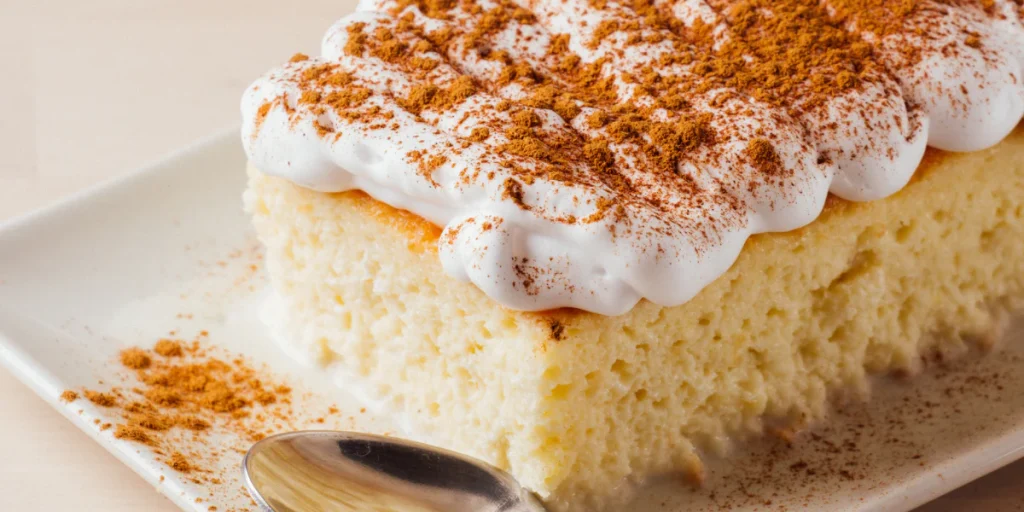
Tres Leches Cake has always held a special place in my baking journey. The way it takes a simple sponge and transforms it into a luscious, milk-soaked masterpiece never fails to amaze me. Each bite is tender, moist, and almost melts in the mouth with a creamy sweetness that lingers long after. I find it to be one of those cakes that bridges cultures, families, and celebrations, because it speaks a universal language of comfort.
When I make Tres Leches Cake, I think of gatherings around the table, laughter spilling through the air, and plates being passed with excitement. This is not just a dessert, it’s a celebration captured in cake form. The balance between the airy sponge and the richness of the three milks creates a contrast that always feels indulgent without being overwhelming. It’s the kind of cake that can turn an ordinary evening into a special memory, which is why I love sharing my own process of making it.
The Story Behind Tres Leches Cake
Tres Leches Cake is thought to have roots in Latin America, with many countries claiming it as their own. Some point to Mexico as the birthplace, while others argue it was Nicaragua or even Costa Rica. No matter its true origin, what’s undeniable is how this cake became a beloved dessert across borders. Cooks discovered that pouring a blend of three milks, usually evaporated milk, condensed milk, and heavy cream, over a sponge created an unbelievably soft and flavorful cake.
Its popularity soared in part because of how well it travels through families. Recipes were passed down, tweaked, and perfected with each generation. For me, the charm of Tres Leches Cake lies in how adaptable it is. Some versions are topped with whipped cream and fresh fruit, while others remain simple, allowing the sweet milk to take center stage. Every region and household seems to have its own interpretation, but the foundation is always the same: a sponge that drinks in the milks and transforms into something extraordinary.
Preparing the Perfect Sponge
When it comes to Tres Leches Cake, the sponge is the backbone. A light, airy sponge allows the milk mixture to soak in beautifully without collapsing. I usually start with a classic sponge cake base made with eggs, sugar, flour, and a touch of baking powder. What sets this sponge apart from others is that it’s intentionally made without butter or oil. This absence of fat creates a structure that’s thirsty for the milk soak, which is exactly what you want.
Beating the eggs and sugar until they reach a pale, ribbon-like consistency is key. That air trapped inside is what gives the cake its delicate lift. Folding in the flour gently ensures you don’t deflate the mixture. I always bake it in a rectangular dish because it not only bakes evenly but also makes it easier to cut clean squares later on. Once it’s baked and cooled, I poke holes across the surface with a fork or skewer so the milk mixture can seep in fully. That step is where the magic begins.
Crafting the Sweet Milk Mixture
The heart of Tres Leches Cake lies in its soak. The blend of evaporated milk, sweetened condensed milk, and heavy cream creates the trifecta that gives the cake its name. Each milk has a distinct role: evaporated milk provides body, condensed milk adds sweetness, and heavy cream brings richness.
I like whisking the three together until they’re fully combined, and sometimes I add a splash of vanilla extract for depth. Pouring the mixture over the cooled sponge feels almost ceremonial. I take my time, making sure every inch of the cake absorbs the liquid. At first, it might look like too much milk, but give it time. The sponge acts like a sponge in the truest sense, drinking in every drop until it’s saturated but still holding its shape. Leaving it to rest in the fridge for several hours, or even overnight, deepens the flavor and ensures the milk has fully permeated the cake.
Topping It All Off
The topping for Tres Leches Cake is usually a light, whipped cream frosting. I whip heavy cream with a little sugar until it forms soft peaks and spread it generously across the chilled cake. The cream adds a cloud-like finish that balances the richness of the soaked sponge. Sometimes I keep it simple, leaving the cream smooth and elegant. Other times, I like to pipe patterns or sprinkle cinnamon across the top for a touch of spice.
Fruit also makes a wonderful addition. Strawberries, raspberries, or slices of mango add brightness that cuts through the sweetness. Depending on the occasion, I’ll decorate the cake with whatever fruit is in season, and it always feels like a natural complement.
A Cake for All Occasions
One reason I keep returning to Tres Leches Cake is its versatility. It fits into birthdays, anniversaries, casual family dinners, or festive holidays. I’ve served it at small gatherings where everyone crowds the kitchen, and I’ve presented it at formal dinners where it looked elegant as the final course. Its adaptability makes it one of those cakes that never feels out of place.
I’ve noticed how people react when they take their first bite. Eyes widen, smiles spread, and then the inevitable request for seconds comes. Even those who claim they don’t have a sweet tooth often find themselves reaching for another slice. That’s the mark of a dessert that has universal appeal.
My Personal Twist
Over time, I’ve experimented with variations while staying true to the essence of Tres Leches Cake. Sometimes I infuse the milk mixture with a bit of cinnamon or cardamom for warmth. Other times, I’ve replaced the heavy cream with coconut milk for a tropical note. On a few occasions, I’ve even layered the cake with dulce de leche between the sponge and the whipped cream, which created a decadent caramel surprise.
These little tweaks allow me to make the cake feel personal without losing what makes it special. The beauty of Tres Leches Cake is how forgiving it is. Once you master the foundation, you can adjust flavors to suit your taste or the preferences of the people you’re baking for.
Tips for Success
Patience is one of the most important ingredients when making this cake. Giving the sponge time to soak and rest ensures the texture comes out perfectly moist. Skipping that step often results in a cake that feels dry in the center, which defeats the whole purpose.
Temperature also matters. I find that serving Tres Leches Cake chilled makes the flavors more refreshing and the texture more satisfying. The coolness enhances the creaminess of the milk and balances the sweetness. If you’re preparing it for an event, it’s best to make it a day in advance. That way, the cake has plenty of time to develop its full flavor.
Another helpful tip is to use a sturdy dish with high sides when baking the sponge. Since you’ll be adding a substantial amount of liquid, you need a pan that can hold it all without spilling. A glass baking dish works perfectly because it also allows you to see how much milk the sponge has absorbed.
Why I Keep Baking Tres Leches Cake
Every baker has recipes they return to again and again, and for me, this cake is one of them. It reminds me why I fell in love with baking in the first place. There’s joy in watching simple ingredients transform into something extraordinary, and Tres Leches Cake embodies that transformation beautifully.
What keeps me coming back is not just the flavor but the connection it creates. Sharing this cake with friends or family always feels like sharing a piece of comfort. I’ve had people ask me for the recipe after just one bite, and I’ve gladly passed it along, knowing it will continue its journey in another kitchen.
Baking has a way of connecting people across cultures and traditions, and Tres Leches Cake is proof of that. No matter where you come from, the experience of enjoying this sweet, milk-soaked sponge is universally satisfying.
Final Thoughts
Tres Leches Cake soaked in sweet milk is more than just dessert. It’s an invitation to slow down, savor the moment, and share something special with the people around you. From the airy sponge to the creamy topping, every layer tells a story of indulgence balanced with lightness. It’s a cake that feels timeless, as relevant today as it was generations ago.
When I pull a tray of this cake out of the fridge, cut a slice, and see the milk glistening through the sponge, I know it’s worth every step. Baking it brings me as much joy as sharing it, and that’s the real beauty of this cake. It doesn’t just satisfy a sweet craving, it creates memories, connections, and a lingering sense of happiness that lasts long after the plates are cleared.